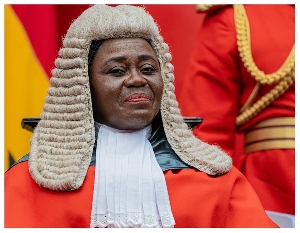
Ghana’s judiciary is facing a deepening crisis as the number of removal petitions against Chief Justice Gertrude Araba Esaaba Sackey Torkornoo has risen to five, signaling a turbulent chapter in the nation’s constitutional history.
The latest two petitions, received by the Office of the President this week, bring new urgency to an already volatile situation. Though the authors of these petitions remain undisclosed, sources familiar with the process say they allege misconduct and abuse of office—claims that mirror earlier submissions made in February and March.
The Chief Justice was formally suspended on Tuesday, April 22, 2025, following the President’s determination—based on advice from a constitutionally mandated committee—that a prima facie case had been established from the first three petitions. Acting in consultation with the Council of State and under Article 146(6) of the 1992 Constitution, President John Dramani Mahama approved the suspension, marking a rare intervention in the top echelons of Ghana’s judiciary.
With Justice Paul Baffoe-Bonnie now assuming the role of Acting Chief Justice under Article 144(6), the judicial leadership is in transition, even as public debate over the matter intensifies.
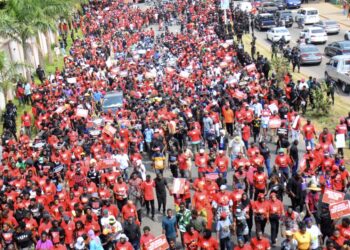
The mounting petitions and subsequent suspension have divided national opinion. Legal scholars and civil society actors are urging transparency and due process, while political commentators warn of creeping partisanship in the judicial space.
“This is a pivotal moment,” said Prof. H. Kwasi Prempeh of CDD-Ghana. “The integrity of the judiciary depends on how openly and fairly this process unfolds. The secrecy of Article 146 must be weighed against the public’s right to trust the judicial system.”
Others, like Akosua Manu, a former NPP parliamentary candidate, fear the precedent being set. She described the current developments as “a calculated step toward judicial capture.”
Despite the constitutional backing of the President’s action, the political undertone is unmistakable. Some critics allege that the surge in petitions is being orchestrated to sideline perceived judicial opponents, while defenders of the process argue that no officeholder is above scrutiny.
The suspended Chief Justice submitted her official response on April 7, within the 10-day constitutional window, and now awaits the constitution of a five-member committee to conduct a full-scale inquiry into the claims.
As the nation stands at this constitutional crossroads, the stakes could not be higher. The outcome of this process will not only determine the fate of Chief Justice Torkornoo but may also shape the future independence—and perception—of Ghana’s judiciary for years to come.