
















The Forum for Natural Regeneration (FONAR) is transforming environmental conservation in the Talensi District by focusing on a new generation of eco-leaders—schoolchildren. Through its innovative “Regreening Communities through School Kids FMNR Eco-Clubs” project, FONAR is equipping young learners with the knowledge and tools to actively participate in restoring degraded lands.
The initiative, which received funding from the Heidehof Foundation (Germany) and the Awaken Trees Foundation (Austria), goes beyond traditional tree-planting efforts. It introduces Farmer Managed Natural Regeneration (FMNR)—a low-cost, community-driven approach to restoring forests and farmlands by nurturing existing native trees.
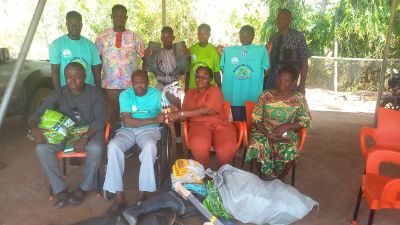
At a ceremony in Tongo, FONAR donated essential conservation tools worth GHS36,000 to eight schools in the district, including cutlasses, pruning sickles, Wellington boots, hand gloves, and branded T-shirts for students and teachers.
Speaking at the event, Mr. Sumaila Issaka, Executive Director of FONAR, highlighted the long-term vision of engaging children in environmental conservation. “We believe that the best way to change attitudes and protect the environment is through children. By instilling the spirit of conservation in them early, we are securing a sustainable future,” he said.
FONAR’s approach recognizes that tree planting alone is not enough to address environmental degradation, particularly in the face of climate change. “Managing and regenerating existing trees is just as critical as planting new ones. That’s why we are calling on the government to incorporate FMNR into the national afforestation programs, particularly in Northern Ghana, where dry conditions make tree survival rates low,” Mr. Issaka added.
Beyond providing physical tools, FONAR has developed a specialized FMNR curriculum for schools, ensuring that environmental conservation becomes a core part of the students’ education. Teachers have been trained as coordinators to guide students in applying FMNR techniques both in their schools and within their communities.
Madam Christiana Ayinezoya Azure, Talensi District Director of the Ghana Education Service, praised the initiative for fostering environmental responsibility among students. “This project has helped to transform our children into active environmental stewards. They are not just learning about climate change; they are taking action to protect their surroundings,” she stated.
The students expressed enthusiasm about the project, pledging to use the donated equipment responsibly. By empowering young learners as climate advocates and environmental caretakers, FONAR is not just restoring land—it is cultivating a generation that will lead Ghana’s fight against desertification and climate change.






