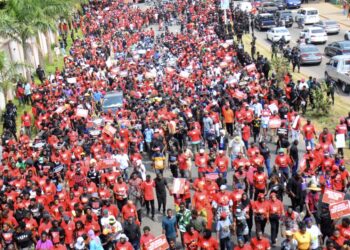
Consumers across Ghana are waking up to higher fuel costs at the pumps as several oil marketing companies (OMCs) begin implementing new price adjustments following the introduction of a GH₵1 levy on petrol and diesel.
Starting today, Wednesday, July 16, 2025, industry leaders such as GOIL and Star Oil have rolled out new prices, marking a sharp upward shift in fuel costs. GOIL has raised the price of petrol from GH₵12.07 to GH₵12.88 per litre, while diesel has climbed from GH₵13.20 to GH₵14.38. Star Oil has also followed suit, selling petrol for GH₵12.59 per litre, with some branches offering it at a lower GH₵11.99. Diesel at Star Oil now sells between GH₵13.79 and GH₵13.99, depending on the station.
While some OMCs are still in the process of adjusting their prices, others have already factored in the full impact of the Energy Sector Shortfall and Debt Recovery Levy, which took effect today under the revised Energy Sector Levy (Amendment) Act, 2025 (Act 1141).
Potential Savings Lost to Levy
According to Dr. Riverson Oppong, Chief Executive of the Chamber of Oil Marketing Companies, prices at the pump could have decreased by up to 2% had the new GH₵1 levy not been implemented. He noted that global oil price dynamics and a relatively stable cedi-dollar exchange rate had created room for a potential drop, which has now been wiped out by the tax.
Mounting Pressure on Government to Rethink Fuel Taxes
In response to the developments, Duncan Amoah, Executive Secretary of the Chamber of Petroleum Consumers (COPEC), is urging the government to reconsider its tax regime on petroleum products. He argues that the cumulative effect of levies continues to burden consumers, especially amid efforts to stabilise living costs.
“Government can still go ahead with the new levy if it deems it necessary, but must balance that by reviewing and possibly reducing other taxes on the petroleum price build-up,” Amoah suggested, adding that this would provide much-needed relief to households and businesses already grappling with inflation.
Consumer Reaction and Outlook
Fuel price hikes are expected to ripple through the economy, affecting transport fares, food prices, and general cost of living. With more OMCs likely to update their prices in the coming days, consumers are bracing for broader economic impacts.
Meanwhile, stakeholders continue to call for greater transparency and consultation in pricing policies to ensure that public interest is not overshadowed by fiscal pressures.