
















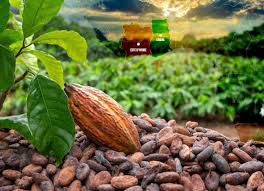
Ghana is using the Ghana-UK Investment Summit in London to reposition its cocoa industry as a major investment-ready value chain, moving beyond raw bean exports toward expanded processing, financing innovation, and industrial growth.
Under the summit theme “The Reset Agenda: Restoring Investor Confidence to Unlock Opportunities and Shared Prosperity,” stakeholders say Ghana’s cocoa sector is entering a new phase aimed at strengthening investor confidence and increasing the country’s share of global cocoa wealth.
At the centre of this shift is the Cocoa Marketing Company (CMC), which continues to play a key role as the sole authorised exporter of Ghana’s cocoa and a coordinator of export relationships and commercial arrangements within the sector.
Officials say the long-term goal is to reduce Ghana’s reliance on raw cocoa exports and boost domestic processing capacity. The country is targeting at least 50 per cent local processing of cocoa output, supported by an installed capacity of about 500,000 metric tonnes annually, though utilisation levels remain below potential due to financing and allocation constraints.
The reforms being pursued are expected to improve access to cocoa beans for processors, reduce investment uncertainty and create stronger conditions for long-term industrial investment. CMC’s allocation framework is also being positioned as a key mechanism to improve transparency and predictability in the supply chain.
Financing reforms form another pillar of the transformation agenda, with Ghana exploring domestic cocoa bond instruments backed by export receivables. The initiative is expected to deepen local capital mobilisation and support structured trade finance across the cocoa value chain.
Additional innovations such as credit insurance, receivables financing and risk-sharing mechanisms are also being promoted to strengthen liquidity and improve confidence among lenders and investors.
Beyond financing, Ghana is investing in traceability systems, sustainability compliance and quality assurance frameworks to meet tightening global market standards. These measures are intended to enhance the country’s competitiveness and reduce reputational risk for international buyers and financiers.
Authorities say the ultimate objective is to shift Ghana’s cocoa industry from a commodity-based export model to a fully integrated investment platform spanning processing, logistics, packaging, warehousing, technology and value-added manufacturing.
The broader strategy also aligns with regional efforts involving Côte d’Ivoire and opportunities under the African Continental Free Trade Area, which is expected to boost intra-African trade in cocoa-based products and support regional industrialisation.
Stakeholders argue that the transformation will benefit all actors in the value chain, including farmers, processors, exporters, investors and government, by ensuring a fairer distribution of value generated from cocoa.
As discussions continue in London, Ghana is presenting its cocoa sector as open for a new kind of partnership—one focused on long-term investment, industrial expansion and shared prosperity across the entire value chain.






