
















Ghana Real Estate Sector Calls for Affordable Housing Overhaul
The President of the Ghana Association of Real Estate Brokers (GARIB), Mr Jacob Adofo-Ansong, is calling for a major rethink of Ghana’s housing sector, arguing that the current system is pricing ordinary citizens out of the formal property market.
He said Ghana’s housing landscape has largely been shaped around high-income buyers, investors and members of the diaspora, leaving low and middle-income earners with limited access to decent and affordable homes.
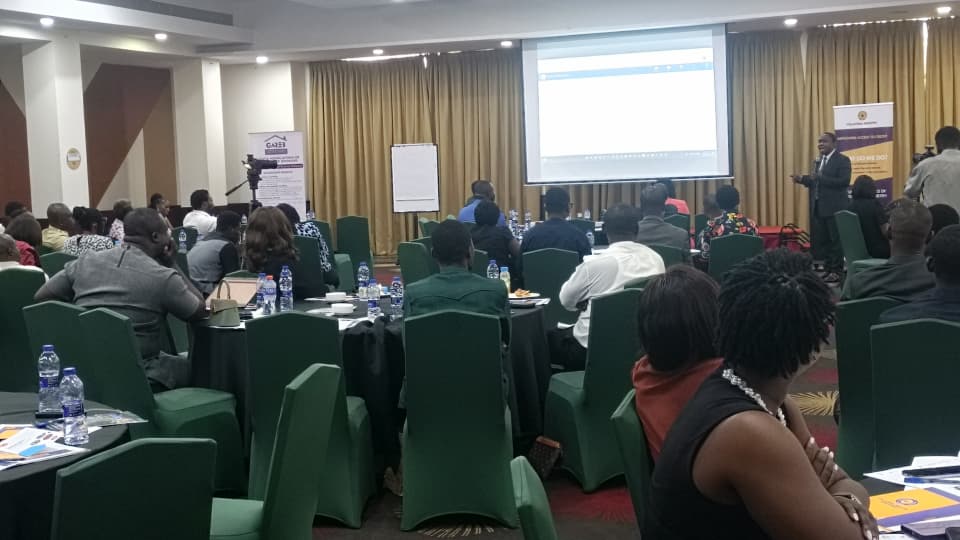
Speaking at a stakeholder engagement in Accra organised by GARIB and the Bank of Ghana’s Collateral Registry Department, Mr Adofo-Ansong said the country’s housing challenge is less about shortage and more about affordability.
He questioned the widely cited housing deficit figures, pointing out that a significant number of housing units remain unoccupied, suggesting a mismatch between supply and what most citizens can afford.
According to him, the real issue lies in pricing structures, construction costs, financing models and mortgage systems that collectively push formal housing beyond the reach of the average Ghanaian.
He therefore urged a policy shift that prioritises affordability at every stage of housing development, from land acquisition to rental pricing.
Mr Adofo-Ansong also encouraged developers and investors to view affordable housing as a viable business opportunity rather than a purely social intervention, noting strong demand among Ghana’s growing urban workforce.
He called on government to support the sector with land banks, targeted incentives, and improved financing arrangements, including long-term, low-cost mortgage options for lower and middle-income earners.
The GARIB President further stressed the importance of transparency in real estate transactions, saying stronger use of the Bank of Ghana’s Collateral Registry system would help reduce fraud and build trust in the market.
He explained that improved due diligence by brokers and buyers would lower risk, improve access to credit, and make the housing market more inclusive.
At the same engagement, the Head of the Collateral Registry Department at the Bank of Ghana, Fred Asiamah-Koranteng, said the Borrowers and Lenders Act, 2020 (Act 1052) was introduced to strengthen Ghana’s credit system by addressing information gaps and reducing lending risks.
He noted that the Collateral Registry plays a key role in helping professionals verify property status before transactions, reducing fraud and protecting both lenders and buyers.
He added that greater public awareness of the registry remains essential to improving confidence and efficiency in Ghana’s real estate and credit markets.






