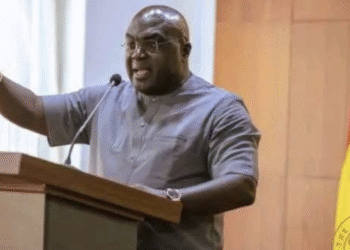
Former Tamale Central MP Inusah Fuseini has argued that Ghana should focus on improving government efficiency rather than extending the presidential term from four years to five years.
Commenting on proposals emerging from the Constitution Review Committee (CRC) process, Mr Fuseini said a four-year presidential mandate is adequate for a government that is focused, organised and committed to delivering results.
He maintained that the country’s governance challenges cannot be solved simply by giving presidents an additional year in office.
Speaking on Citi FM on Monday, August 3, Mr Fuseini rejected the argument that governments lose their first year settling into office and their final year preparing for elections.
According to him, President John Dramani Mahama’s second administration has demonstrated that a government can begin implementing its agenda immediately after assuming office.
“No, I don’t. John Mahama’s second coming has dispelled that idea. It just means that a government, when you come with intention, purpose, and deliberateness, you’ll be able to achieve so much even in your first year,” he said.
Mr Fuseini argued that extending the presidential term risks rewarding poor performance rather than encouraging effective governance.
“The amendment is not talking to efficiency. It’s talking to lethargy. You are elected to work for the benefit and welfare of the people,” he stated.
Instead of changing the length of the presidential term, he proposed the introduction of clear performance indicators to assess how quickly governments appoint ministers, establish their administrations and begin implementing campaign promises.
He said stronger accountability mechanisms would be more beneficial than extending the duration of a president’s mandate.
Despite his opposition to the five-year term proposal, Mr Fuseini welcomed the broader constitutional review exercise, saying constitutions should evolve to reflect changing national circumstances.
The proposal to extend the presidential term is one of several recommendations contained in the Constitution Review Committee’s report, which has prompted national debate over possible reforms to Ghana’s constitutional and governance framework.