
















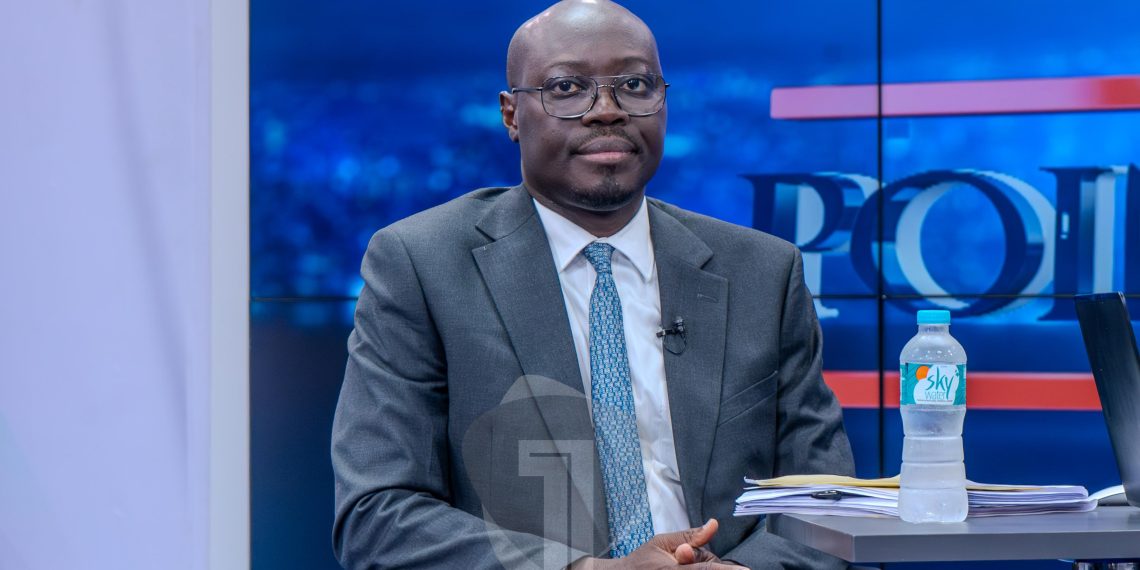
Ghana’s energy sector is teetering on the brink of collapse as Finance Minister Dr. Cassiel Ato Forson paints a grim picture of the financial health of the industry, revealing a staggering $3.1 billion in accumulated debt.
In a detailed briefing to Parliament, Dr. Forson outlined the depth of the crisis, pointing to unpaid obligations to Independent Power Producers (IPPs), state-run utilities, and fuel suppliers. The situation has triggered the activation of financial guarantees from global institutions such as the World Bank—guarantees the government must now replenish with an additional $632 million.
To reset the sector and restore financial viability, the Minister estimates that Ghana will need a total of $3.7 billion. Without urgent intervention, he warned, the sector could face a complete breakdown.
“The system is not sustainable in its current form,” Dr. Forson stated. “We are dangerously reliant on expensive thermal power, and the gap between operational costs and revenue continues to widen.”
A key driver of this deficit is the exclusion of liquid fuel costs—used predominantly in thermal generation—from the electricity tariff structure. This pricing oversight has left a financial hole that worsens with every kilowatt produced.
In response, the government is planning to increase the export prices of petroleum products like petrol and diesel. However, Dr. Forson was quick to assure Ghanaians that the adjustment will not affect domestic consumers, citing recent Cedi gains as a buffer against price hikes.
He emphasized that the government is committed to swift and strategic reforms to stabilize the sector, protect the national grid, and ensure consistent power delivery.
“This is not just an economic issue—it’s a national security priority,” Dr. Forson concluded. “We must act now to protect the energy future of Ghana.”






