
















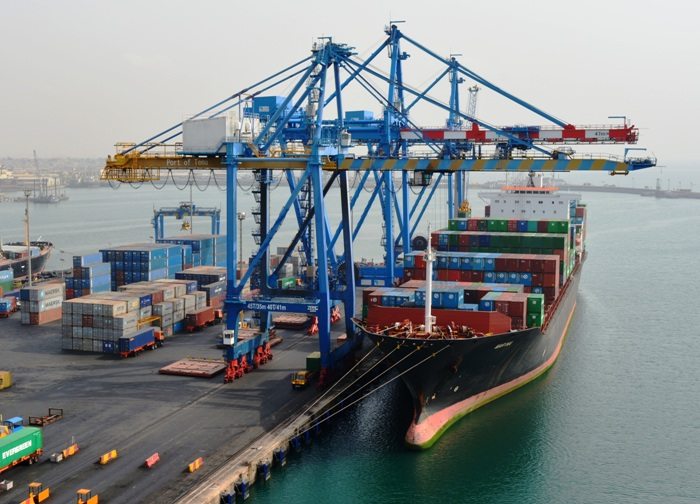
The government is moving to ease pressure at the Tema Port as congestion and limited berth space continue to delay the clearance of clinker shipments and increase costs for cement manufacturers.
Transport Minister Joseph Bukari Nikpe and the Minister for Trade, Agribusiness and Industry, Elizabeth Ofosu-Adjare, are expected to inspect the port and explore options for creating additional berthing space specifically to facilitate the faster handling of cement-making raw materials.
The intervention comes amid concerns that delays in clearing clinker are exposing cement manufacturers to demurrage and other port-related charges, with the additional costs being cited as one of the factors behind the recent GH¢12 increase in the price of a bag of cement.
Mr Nikpe said the Tema Port was operating under significant pressure because of increasing cargo volumes and limited space, creating competition among importers for available berthing facilities.
He explained that cement manufacturers currently had access to two berths but were seeking additional space to enable vessels carrying clinker to discharge their cargo more quickly.
According to the Minister, government officials would assess areas within the port that could be temporarily or permanently allocated to facilitate the clearance of cement raw materials and reduce the financial burden caused by prolonged delays.
The move is expected to complement a separate intervention to improve the port’s cargo-handling capacity.
Mr Nikpe disclosed that the Ghana Ports and Harbours Authority (GPHA) had been directed to urgently acquire two additional cranes to boost the loading and offloading of cargo.
He said the new equipment would augment the existing cranes at the port and help reduce vessel turnaround times, thereby limiting delays that could result in shipping lines and importers incurring demurrage.
“I also instructed the Ghana Ports and Harbours Authority for them to acquire two cranes that will be able to load and offload quickly,” Mr Nikpe said.
He said the emergency acquisition of the cranes was expected to improve cargo handling and contribute to the broader effort to decongest the Tema Port.
The planned measures are particularly significant for the cement industry, where manufacturers rely heavily on imported clinker as a key raw material. Prolonged delays in handling such shipments can add costs to the production and distribution chain.
Government’s immediate focus, therefore, is to improve the movement of clinker through the port while addressing the wider capacity constraints created by rising cargo volumes.
The Ministers’ planned engagement with port authorities is expected to determine how existing space can be better utilised and what additional infrastructure may be required to prevent recurring delays.






