
















The Institute for Fiscal Studies (IFS) has criticised the government’s budget implementation in the first half of 2026, warning that a GH¢35.6 billion spending shortfall has undermined the credibility of the national budget and constrained development expenditure.
According to the IFS, actual government spending fell significantly below the programmed expenditure target of GH¢172.54 billion for the first six months of the year.
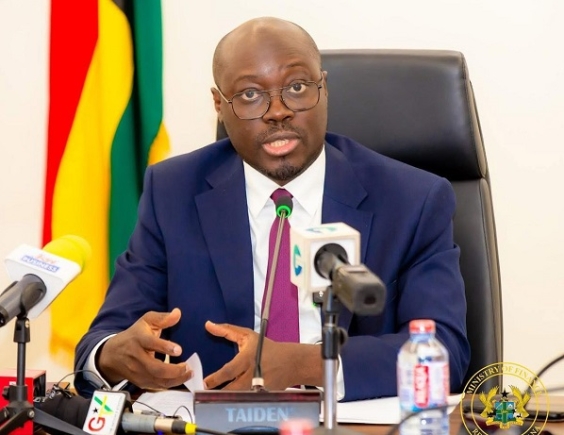
Presenting the Institute’s assessment of the 2026 mid-year budget review, Acting Executive Director Dr Said Boakye said the extent of the underspending had weakened the effectiveness of fiscal policy and affected growth-oriented spending.
He argued that government should improve budget execution in the second half of the year by ensuring that approved expenditures are implemented as planned, unless there are material changes in revenue performance or financing conditions.
Dr Boakye said the first-half spending gap had left “much to be desired” in terms of economic growth and national development.
The IFS also questioned the government’s financing strategy during the period, saying resources were accumulated in a second fund even though such an arrangement was not included in the approved budget financing plan.
According to the Institute, that decision created complications for spending on critical areas, including capital projects and other priority payments.
Dr Boakye described the financing approach as a departure from the approved budget framework and called on the government to ensure that future financing decisions remain consistent with the budget approved by Parliament.
The Institute maintained that stronger adherence to both the expenditure and financing plans would improve fiscal discipline, enhance budget credibility, and support more effective delivery of development programmes in the second half of 2026.






