
















Farmers in the Kadjebi District of the Oti Region are set to gain improved access to agricultural machinery, inputs and extension services with the construction of a Farmer Service Centre at Titiaka.
Kadjebi is among the first 11 districts nationwide selected to benefit from the initiative, which is aimed at bringing essential agricultural services closer to farmers and improving productivity.
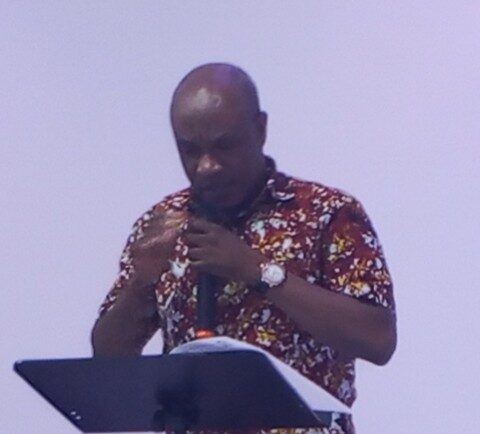
The Kadjebi District Chief Executive (DCE), Dr Alhaji Sam Issaka Suraj, disclosed this at the Second Ordinary General Assembly Meeting of the Third Session of the Kadjebi District Assembly.
He said the contractor was already on site and work on the facility was progressing steadily.
According to Dr Suraj, the Centre would provide farmers with access to tractors, harvesters, fertilisers, improved seeds and storage facilities, in addition to agricultural extension support.
He expressed confidence that the facility would reduce some of the challenges farmers face in accessing farm machinery and other inputs while improving the delivery of agricultural services in the district.
The project is particularly significant for Kadjebi, where farming remains a major economic activity and a source of livelihoods for many households.
Beyond agriculture, Dr Suraj said the Assembly was implementing projects aimed at improving basic services and infrastructure across the district.
He disclosed that a three-unit classroom block had been constructed at Yadzo, while two mechanised boreholes had been drilled at Ampeyo and a hand-pump borehole provided at Kpando Kofe.
Through the District Assemblies Common Fund (DACF), he said, three additional mechanised boreholes and two hand-pump boreholes had also been provided to improve access to potable water.
The Assembly had further supplied furniture to schools, including 300 dual desks, 300 mono desks, 300 kindergarten chairs, 30 teachers’ tables and 30 teachers’ chairs, which had been handed over to the District Education Directorate for distribution.
On social protection, the DCE said 5,000 households were validated during the reassessment and community validation exercises under the Livelihood Empowerment Against Poverty (LEAP) programme.
He said 2,334 of the validated households had subsequently been selected for enrolment based on the district’s allocation quota.
Dr Suraj also called for stronger collaboration among Assembly Members, the District Narcotics Officer and other stakeholders to intensify education on substance abuse among young people.
He warned that increasing substance abuse posed a serious threat to the wellbeing and future prospects of the youth and required a coordinated community response.
He said other projects were also ongoing in the district in areas including security, roads, healthcare and education as the Assembly sought to improve living conditions and local economic activity.






