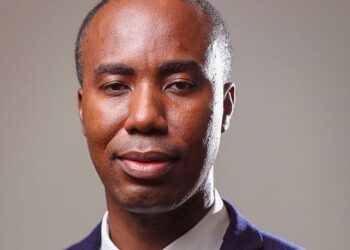
The New Patriotic Party (NPP) faces a potential leadership shake-up as the family of its National Chairman, Stephen Ayensu Ntim, has called for his immediate withdrawal from all party duties due to deteriorating health.
In a strongly-worded letter dated June 16, 2025, and addressed to the party’s Council of Elders, the Ntim family urged the party to relieve the Chairman of his responsibilities to allow him to focus on urgent medical treatment. The letter highlights what they describe as signs of “cognitive dissonance and mental incapacitation,” raising questions about Mr. Ntim’s ability to effectively steer the party in its current critical phase.
The timing of this revelation has raised eyebrows within party ranks, especially with the NPP preparing for a crucial strategic meeting scheduled for June 17 at the Alisa Hotel—a meeting Mr. Ntim is supposed to chair. His family, however, has vehemently opposed his participation, warning that his presence would pose both medical and ethical concerns.
Signed by prominent family members including Kingsley Oteng (Family Head) and Adelaide Ntim (MP), the statement conveys deep worry over what they describe as the Chairman’s fragile state of health, urging the party to prioritise his well-being over political expediency.
“Steve must be given peace, solace, and space to undergo critical treatment. It is no longer about loyalty to the party but preserving his life and dignity,” the letter stated.
While the party leadership has yet to issue an official response, the disclosure has sparked unease among NPP grassroots members and observers who fear it could trigger a temporary power vacuum or internal jostling for influence at the top. As the 2028 general elections draw closer, the absence of a clear and active party chairperson could affect the party’s cohesion, strategy, and public messaging.
Political analysts suggest that this development may force the NPP to confront difficult questions about succession planning and internal support structures for aging or ailing party leaders. It could also reignite discussions about establishing more formal health assessments for top officeholders to ensure continuity and effective leadership.
The Ntim family, while affirming his commitment to the NPP over decades of service, insisted that now is the time for him to rest and heal. The future of his role, they suggest, should be considered only after his full recovery.
This unexpected development adds a new dimension to the NPP’s internal dynamics—and could redefine leadership conversations within Ghana’s ruling party in the coming months.