
















The Minority in Parliament has raised concerns over the government’s reliance on Certificates of Urgency to secure approval for tax-related legislation, arguing that the practice limits meaningful parliamentary scrutiny of measures with significant economic implications.
Deputy Ranking Member on Parliament’s Energy Committee, Collins Adomako-Mensah, criticised the process that led to the recent increase in the fuel oil levy, claiming that the amendment was introduced under urgent procedures on the final sitting day before Parliament adjourned.
Speaking on Citi News Digest on Saturday, August 1, Adomako-Mensah argued that Parliament should have adequate time to examine tax measures that could affect fuel prices and household expenses.
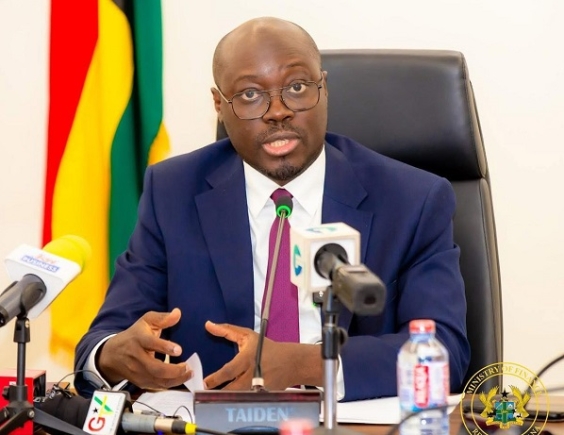
According to him, the Finance Minister, Dr Cassiel Ato Forson, has adopted a pattern of presenting tax amendments under Certificates of Urgency at the close of parliamentary sittings.
“Since last year, anytime he’s bringing an amendment to increase taxes, he brings it on the last day that we are rising, and he comes to Parliament under a Certificate of Urgency,” he said.
His comments follow Parliament’s approval of amendments to the Energy Sector Levies framework, which increased the fuel oil levy from GH¢0.24 per litre to GH¢1.93 per litre.
The government has defended the increase, saying the measure is intended to reduce revenue losses associated with fuel smuggling and subsidy abuse while generating funds to address obligations within the energy sector.
However, the Minority contends that the use of urgent legislative procedures has curtailed extensive debate on the amendment.
Adomako-Mensah further argued that the government’s parliamentary majority has made it easier to pass such measures without sufficient scrutiny.
“Not surprisingly, this time around, again, on the last day of rising, he comes back to Parliament under a Certificate of Urgency to push this through because they have the numbers,” he added.
He also described the levy increase as inconsistent with the government’s pledge to reduce the tax burden on citizens.
“We are against it, and I believe that the Ghanaian people did not vote for this particular government for them to come and increase taxes. They were promised relief; what we are seeing is the opposite,” he said.
The Minority maintains that while domestic revenue mobilisation is important, tax measures with potential effects on fuel prices and the cost of living should undergo broader parliamentary examination and public consultation before they are enacted.






