Ghana’s Parliament has reaffirmed its commitment to international cooperation and legislative diplomacy with the official inauguration of 42 Parliamentary Friendship Associations on Friday, marking a significant step toward enhancing Ghana’s global legislative footprint.
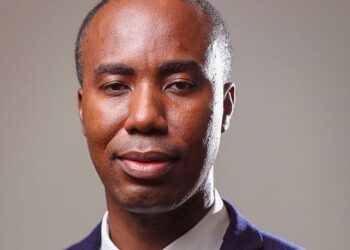
The ceremony, held on the floor of Parliament, was led by First Deputy Speaker Bernard Ahiafor, who described the move as a strategic pillar in Ghana’s democratic and diplomatic evolution.
“This is not merely symbolic. These associations must be engines of action and results,” Mr. Ahiafor declared, urging Members of Parliament (MPs) to take active ownership and deliver tangible outcomes from their international partnerships.
The newly inaugurated associations are designed to facilitate peer-to-peer engagement between Ghanaian legislators and their counterparts in foreign parliaments. Through them, Ghana hopes to strengthen bilateral relations, promote cultural exchange, foster legislative best practices, and attract investment and trade opportunities.
The initiative is expected to go beyond protocol, evolving into a tool for parliamentary soft power—where diplomacy is conducted not just by foreign ministries, but directly through lawmakers engaging in dialogue, policy exchange, and global problem-solving.
“We want reports, not rhetoric,” Mr. Ahiafor said. “These friendship associations should produce results—more trade, better cultural exchange, and stronger bilateral cooperation that aligns with Ghana’s development goals.”
First Deputy Minority Whip, Habib Iddrisu, echoed the sentiment, calling on MPs to harness the platform to address shared global challenges such as climate change, migration, security, and public health.
“Let us leverage these friendships to foster peace, innovation, and mutual prosperity,” he said, emphasizing diplomacy rooted in legislative cooperation.
Majority Leader Mahama Ayariga also highlighted the role of friendship associations in policy innovation, noting that parliaments are increasingly influential in shaping international discourse.
“Through collaboration, we can learn from each other, strengthen democratic institutions, and develop people-centered policies that reflect global best practices,” Ayariga said.
The Clerk to Parliament, Mr. Ebenezer Ahumah Djietror, underscored the developmental importance of these associations, noting that they offer parliaments the ability to learn, adapt, and grow together.
“Parliamentary diplomacy is now a key component of democratic progress. These associations are instruments of shared learning and collective action,” he noted.
The 42 associations span countries across Africa, Europe, Asia, and the Americas, and include partnerships with strategic allies such as the United States, China, France, Nigeria, and India.
As Ghana seeks to strengthen its global ties, these parliamentary associations are expected to become bridges of influence, promoting Ghana’s national interests while contributing to a broader global agenda of peace, prosperity, and sustainable development.