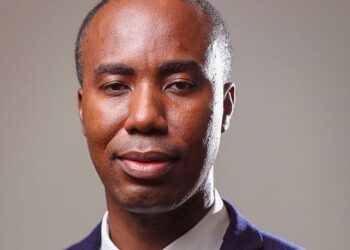
At the 13th John Evans Atta Mills Commemorative Lecture, former Chief of Staff Julius Debrah underscored the late President’s pivotal role in guiding Ghana through a critical phase of democratic consolidation, describing him as a “bridge between the turbulence of the past and the promise of a stable democratic future.”
Addressing a packed gathering of dignitaries, political leaders, and citizens, Mr. Debrah portrayed Prof. Mills not merely as a former president, but as a unifier whose leadership helped cool partisan tensions and reinforce national reconciliation after decades of political upheaval.
“Prof. Mills stood at the intersection of our past struggles and our democratic aspirations. His quiet strength, his moral clarity, and his unshakable belief in peace made him a symbol of healing in our national journey,” Mr. Debrah said.
He praised the late President’s tolerance and humility as essential traits that shaped a more civil political culture, even amid intense partisanship. According to him, Prof. Mills’ legacy continues to offer direction to a nation still grappling with polarization and political excesses.
The commemorative lecture, now a fixture on Ghana’s political calendar, served as a reflective moment to revisit the values of servant leadership, modesty, and dialogue—principles that anchored the Mills administration from 2009 to 2012.
As Ghana approaches another crucial electoral cycle, Mr. Debrah urged political actors to draw inspiration from Prof. Mills’ inclusive approach, which prioritised Ghana over party and principle over power.