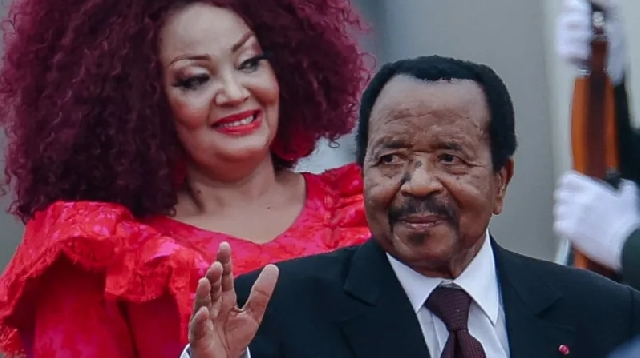
Questions over political succession in Cameroon have taken centre stage following constitutional changes that reintroduce the position of vice-president after more than five decades.
The amendment, approved by parliament, marks a significant shift in how power would be transferred if long-serving President Paul Biya—currently the world’s oldest sitting leader—were to leave office before the end of his term. Under the new arrangement, an appointed vice-president would automatically assume the presidency and complete the remaining term.
This replaces the previous system, where the Senate President would serve only in an interim capacity pending fresh elections.
While government supporters argue the move will ensure continuity and reduce uncertainty in governance, critics see it differently. Opposition figures, including Maurice Kamto, have described the reform as a consolidation of executive power, warning it could entrench the ruling establishment.
The Social Democratic Front boycotted the parliamentary vote, insisting the vice-president should be elected on a joint ticket with the president rather than appointed. The party also renewed calls for constitutional arrangements that reflect the country’s English- and French-speaking divide.
Historically, the vice-presidential role existed before the 1972 constitutional overhaul that transformed Cameroon from a federal to a unitary state, a move that also eliminated the position.
For many observers, the latest amendment has reignited long-standing discussions about succession planning in a country led by Biya since 1982. His extended tenure has often prompted speculation about leadership transition, though such conversations remain sensitive domestically.
With the reform now awaiting presidential assent, attention is shifting to who might be appointed as vice-president—a decision widely expected to shape the country’s political future and influence the direction of governance in the post-Biya era.