
















Tax experts are urging the government to use Ghana’s new Policy Coordination Instrument (PCI) programme with the International Monetary Fund (IMF) to strengthen domestic revenue mobilisation and reduce the country’s reliance on borrowing.
They argue that increasing tax revenue will be crucial to achieving long-term fiscal stability, reducing budget deficits and preventing future dependence on IMF bailout programmes.
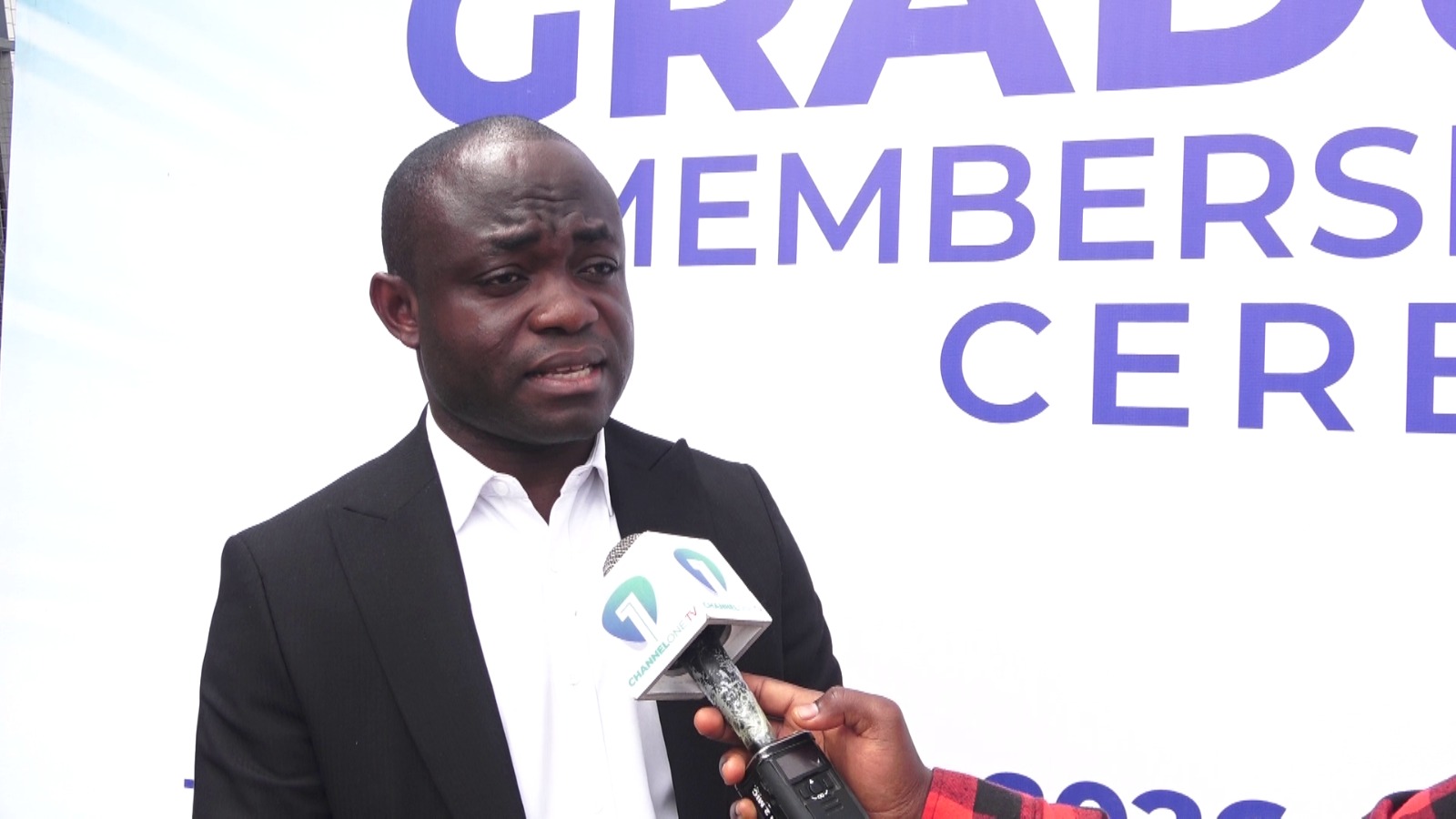
Speaking on the sidelines of the Chartered Institute of Taxation Ghana (CITG) May 2026 Graduation and Membership Induction Ceremony, tax analyst Francis Timore Boi stressed the need for government to focus on generating more revenue rather than financing expenditure through debt.
According to him, declining global aid flows make it increasingly important for Ghana to maximise revenue from taxes, natural resources and business activities.
He noted that despite the size of Ghana’s economy, tax revenue remains below 18 percent of Gross Domestic Product (GDP), a situation he described as unsustainable if the country hopes to avoid returning to future IMF support programmes.
Mr Boi said the 36-month PCI arrangement presents an opportunity for authorities to implement reforms aimed at improving tax collection and broadening the revenue base.
Also speaking at the event, retired Court of Appeal Judge Margaret Welbourne called for increased investment in training tax professionals to strengthen the country’s tax administration system.
She emphasized the importance of expanding tax education and improving record-keeping among businesses, particularly within the informal sector, to bring more economic actors into the tax net.
Judge Welbourne said broadening the taxpayer base would not only increase government revenue but also help ease the tax burden on businesses and individuals already operating within the formal economy.
The Chartered Institute of Taxation Ghana maintains that strengthening domestic revenue mobilisation remains one of the most effective ways to address persistent fiscal challenges and support sustainable economic growth.
The calls come as Ghana seeks to consolidate recent economic gains and build a more resilient public finance system under the IMF-backed policy framework.






