
















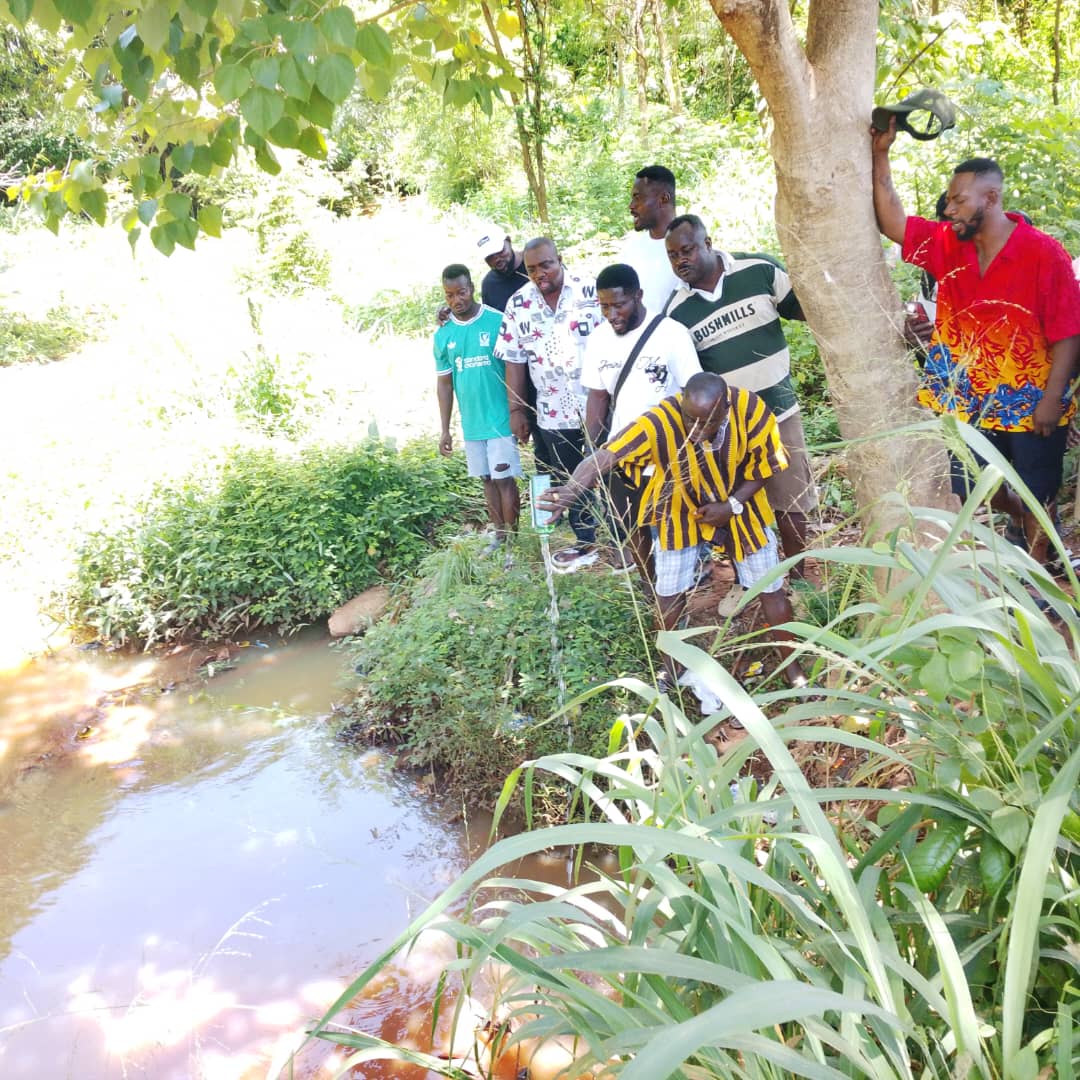
The Techiman Traditional Council in the Bono East Region has intensified efforts to protect the Tano Sacred River, warning residents to stop activities that are degrading its condition or face strict sanctions.
A task force established by the Council has begun routine patrols along the river course following growing concerns over pollution and environmental degradation.
Mr. Prince Yaw Duah, leader of the task force, told the Ghana News Agency (GNA) after an inspection of the river at Techiman that the initiative forms part of broader measures to preserve the river as a vital source of potable water and a culturally significant natural asset.
“We are now patrolling the river course to stem activities causing harm to the river,” he said, stressing that individuals caught polluting the river would be punished under traditional and community regulations.
The situation has also prompted spiritual interventions. Nana Kwame Kwane, a Stool Chief within the Techiman Traditional Council, performed libation and traditional rites to seek protection and appease the river deity, which is believed to play a key role in maintaining peace in the area.
Historical accounts, according to the traditional authorities, associate the river spirit with a sacred crocodile regarded as a symbol of protection for the people.
The Environmental Protection Authority (EPA) in the Bono East Region has also expressed concern over the state of the river.
Mr. Emmanuel Lignule, the Regional Director of the EPA, praised the task force for its intervention and called for sustained efforts to safeguard water bodies and promote environmental sustainability.
He noted that improved water management, sanitation, and ecosystem protection were critical to achieving the United Nations Sustainable Development Goals.
During the inspection, the Ghana News Agency observed sections of the Tano River heavily polluted with waste and plastic materials, raising fears about the survival of aquatic life and sacred crocodiles believed to be ancestral symbols of the Techiman Traditional Area.
Authorities say the continued degradation of the river poses a serious threat not only to the environment but also to the cultural heritage tied to the water body.






