
















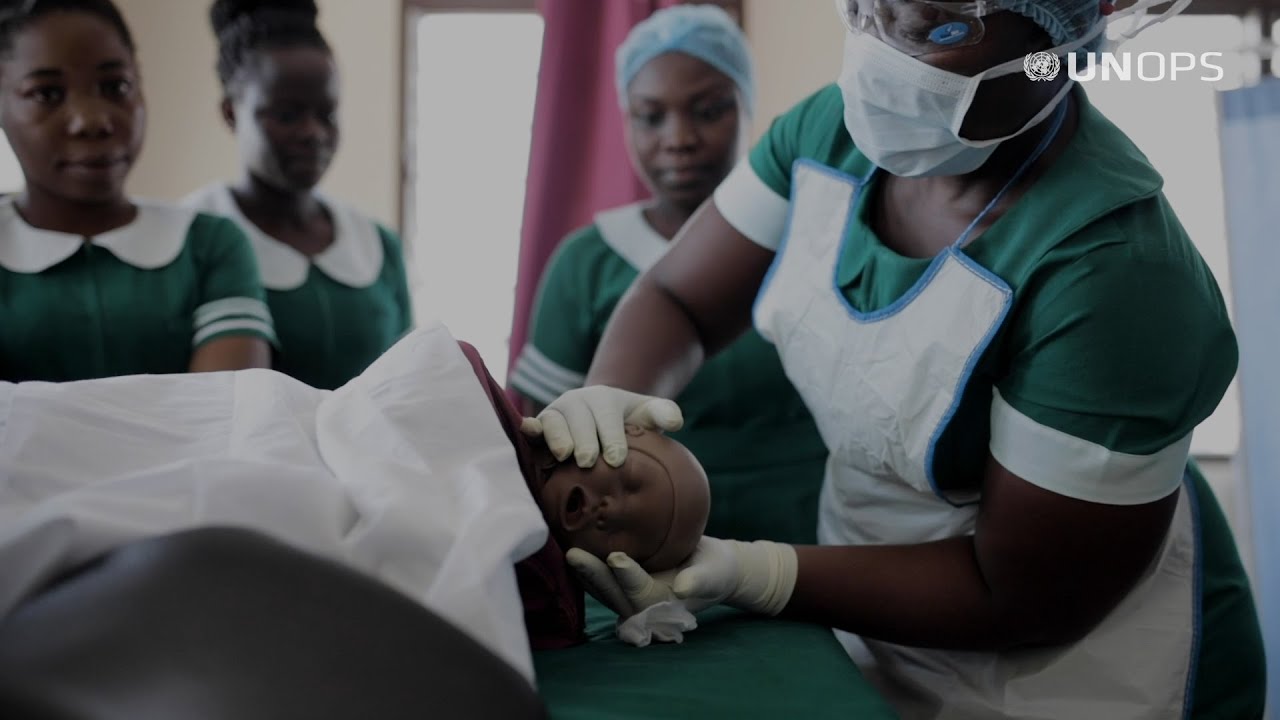
On the occasion of World Health Day, Ghana joined the global community in advocating for stronger investments in midwifery as a means to improve maternal and newborn health.
The call for increased support to midwives came during a ceremony in Accra, where experts emphasized the role of midwifery care models in reducing maternal and child mortality.
Dr. Frank Lule, the World Health Organisation (WHO) Representative to Ghana, underscored the significance of midwifery care, describing it as a cost-effective strategy for improving health outcomes for mothers and infants. According to Dr. Lule, midwives play a pivotal role in providing continuous support to pregnant women and newborns, reducing the risk of preterm births and minimizing the need for unnecessary medical interventions.
“Midwifery care models, where midwives provide consistent care during and after pregnancy, have been proven to improve survival rates and reduce the risks of complications,” Dr. Lule stated, highlighting the critical role midwives play in safeguarding maternal and infant health.
While global progress has been made, including a 40% decline in maternal mortality and a 50% reduction in infant mortality over the last two decades, Dr. Lule emphasized that Ghana still faces challenges in achieving the target of 70 maternal deaths per 1,000 live births by 2030. He called for sustained investment in maternal and child health, particularly in antenatal care, and urged the government to prioritize health initiatives that support healthy pregnancies and early detection of complications.
“This year’s World Health Day theme, ‘Healthy Beginnings, Hopeful Future,’ highlights the importance of giving every child the best possible start in life, and ensuring that mothers and families receive the support they need,” Dr. Lule said.
Dr. Lule further stressed the importance of comprehensive care, including life-saving interventions before, during, and after birth. He pointed out that 70% of maternal deaths are linked to obstetric causes such as haemorrhage, pre-eclampsia, infections, and unsafe abortions. He also called for greater investment in newborn care to ensure essential support during the first critical month, including breastfeeding and infection prevention.
Echoing these sentiments, Dr. Samuel Kaba Akoriyea, Director-General of the Ghana Health Service (GHS), reaffirmed the country’s commitment to reducing maternal and child mortality. While acknowledging some improvements in maternal mortality rates, Dr. Akoriyea noted that the statistics remained high, with 263 deaths per 100,000 live births and 38 deaths per 1,000 live births for children.
“This is a time for us to unite and strengthen our collaboration in the health sector. We are all potential patients, and it is our collective responsibility to ensure better health outcomes for all,” Dr. Akoriyea said.
World Health Day, observed annually on April 7, serves as a platform to raise awareness about key health challenges. This year’s campaign focuses on addressing gaps in maternal and newborn survival, advocating for long-term investments in women’s health, and fostering collective action to support both parents and health professionals in achieving better health outcomes.






