
















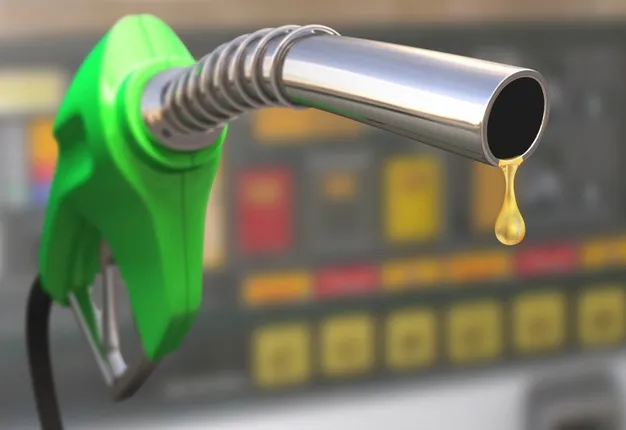
Ghanaians are set to enjoy a major relief at fuel pumps beginning June 1, 2025, as the Ghana cedi’s strong appreciation against the US dollar triggers one of the most significant reductions in petroleum product prices this year.
According to a pricing forecast released by the Chamber of Oil Marketing Companies (COMAC), petrol and diesel prices are expected to drop substantially in the first pricing window of June, driven primarily by the cedi’s recent gains.
Petrol prices could fall between 3.6% and 7.8% per litre, with some outlets expected to sell at GH¢12.02 or lower. Diesel prices are also projected to decrease by 4.2% to 7.8%, settling at around GH¢12.90 per litre or even less.
Liquefied Petroleum Gas (LPG) will not be left out, with an anticipated 6.3% drop per kilogramme, potentially bringing prices to GH¢15 per kg, depending on price adjustments by various Oil Marketing Companies (OMCs).
Cedi Appreciation Fuels Hope
The cedi’s rally on the forex market is being credited for the dramatic drop in fuel prices. Between mid-May and the end of the month, the local currency gained approximately 13.11%, rising from GH¢13.99 to GH¢12.15 against the US dollar. This development has helped ease the import costs of refined fuel products, providing room for OMCs to slash prices.
Oil Market Trends Offer Mixed Signals
Though Brent crude prices recently increased by 3.92%, recovering from an April dip to over $60 per barrel, global sentiment around oil pricing remains volatile. The Energy Information Administration (EIA) projects an average of $65.85 per barrel in 2025, before potentially dipping in 2026 due to rising supply.
Despite international product price upticks—Petrol (2.53%), Diesel (3.07%), and LPG (1.35%)—the strength of the cedi is cushioning Ghanaian consumers from global price pressures.
Early Reductions Already Underway
Some fuel stations, such as Allied Oil, have already begun implementing the expected cuts. As of May 28, the company announced its new pump prices: GH¢12.15 for petrol and GH¢13.54 for diesel—a clear indication of what consumers can expect when the new pricing window opens officially.
Industry Outlook
COMAC has advised all domestic oil marketing companies to adjust their rates accordingly, while encouraging consumers to take advantage of the reduced prices. However, the Chamber cautions that any sharp reversal in the cedi’s stability or global oil dynamics could impact future pricing.
As things stand, the cedi’s resurgence is offering much-needed relief to Ghanaian drivers and businesses alike—at least for now.






