Ghana’s Minister for Foreign Affairs and North Tongu MP, Mr. Samuel Okudzeto Ablakwa, has called for stronger global collaboration to address energy inequality, describing access to clean and affordable electricity as a moral and developmental imperative for the 21st century.
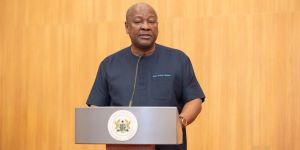
Speaking at the Paris Peace Forum in France, Mr. Ablakwa used Ghana’s energy transformation story as a model for other developing nations, stressing that equitable access to energy is essential for sustainable peace, prosperity, and climate resilience.
He noted that Ghana’s success was rooted in targeted national policies and international cooperation with partners such as the Global Energy Alliance, the Solar Alliance, and the Better Planet Initiative. These partnerships, he said, have enabled the country to extend electricity to nearly every corner of the nation.
“Today, 89 percent of Ghanaians have access to electricity — one of the highest rates in Africa. Urban access stands at 98 percent, while rural coverage has reached 77 percent. Our goal is universal access by 2030,” Mr. Ablakwa stated.
He emphasised that while Ghana continues to expand clean and reliable energy infrastructure, the broader global picture remains alarming.
“It is deeply troubling that about 85 percent of the world’s 645 million people without electricity live in Sub-Saharan Africa,” he said. “In countries like the DRC, access remains as low as 21 percent — and only 2 percent in rural areas — despite their vast natural wealth.”
Mr. Ablakwa outlined Ghana’s renewable energy ambitions, including raising the sector’s contribution from 4 percent to 10 percent by 2030, alongside the rollout of one million clean cookstoves to reduce pollution and improve public health.
He credited the previous Mahama administration for laying the groundwork for Ghana’s energy progress, noting that continuity in policy and governance had been key to maintaining momentum in energy access and sustainability.
“Energy is not just an economic enabler — it’s about dignity, equality, and opportunity. A world divided by access to power cannot achieve lasting peace,” he remarked.
The Paris Peace Forum, an annual global platform, brings together governments, international organisations, and civil society to share solutions for global governance and sustainable development.
Mr. Ablakwa’s message resonated with the Forum’s broader call for shared responsibility in closing the global energy gap while advancing climate goals.