Accra has witnessed the launch of the Restitution Africa Forum, a pioneering initiative aimed at promoting dialogue on the return of African cultural heritage and restoring the continent’s identity, dignity, and knowledge lost during colonialism.
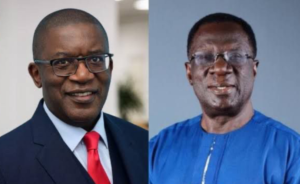
Professor Obeng Kodzo Gavua, the lead architect of the Forum, explained that the platform stems from years of collaborative research at the University of Ghana, supported by the Open Society Foundation. The research examined restitution practices in Ghana, Côte d’Ivoire, Benin, Togo, and Nigeria, including how cultural items already returned were reintegrated into local communities.
“Restitution is not only about returning artefacts,” Prof. Gavua said. “It is about repairing the mental and cultural damage done to Africans—restoring dignity, identity, and spiritual heritage.”
The launch event featured the presentation of the book “Osagyefo Kwame Nkrumah: Sankofa”, authored by Professor Kwasi Nkrumah Boadi. The book explores restitution in the context of governance and political thought, advocating for an African-led approach to democracy and nation-building rather than a wholesale adoption of Western political models.
Prof. Gavua recounted research visits to European museums, including one in Germany where over 450 artefacts from Ghana, mostly collected by the North German Missionary Society from Peki, remained in storage, highlighting the need for sustained restitution efforts.
Workshops held in the Central Region and at the University of Cape Coast, as well as a broader African Restitution Workshop with participants from Togo, Cape Town, Zimbabwe, and UNESCO, underscored the need for an enduring platform to engage young Africans in the ongoing restitution conversation.
Professor Pashington Obeng noted that restitution extends beyond physical objects to reclaim the identities, creativity, and spiritual dimensions of African peoples that were erased or suppressed during colonialism.
Representatives from UNESCO, led by Mr Edmond Moukala, applauded Ghana’s leadership in restitution initiatives, emphasizing that over 70 percent of African cultural objects remain outside the continent. He described restitution as the restoration of context, narratives, and relationships, not merely the transfer of artefacts.
The Forum aims to support government initiatives on restitution and reparations while providing a platform for research, advocacy, and education, particularly targeting younger generations to carry forward the legacy of cultural reclamation.
This initiative highlights Ghana’s growing role as a continental leader in addressing the legacy of colonialism and reasserting African cultural sovereignty.