
















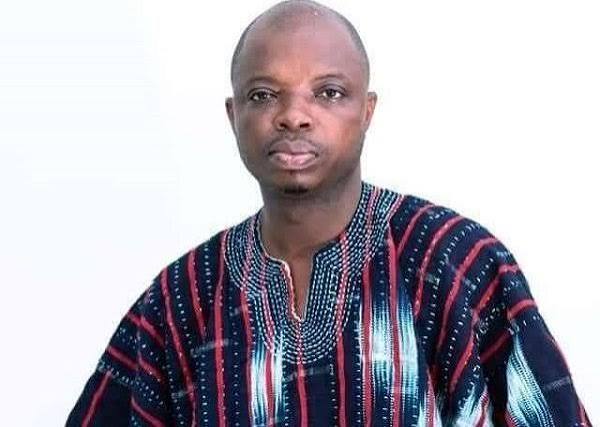
Bono Regional Chairman of the New Patriotic Party (NPP), Kwame Baffoe, popularly known as Abronye DC, has reaffirmed his determination to continue speaking on national issues despite his recent arrest and legal proceedings.
Addressing journalists after regaining his freedom, Abronye stressed that Ghana’s Constitution guarantees freedom of expression, insisting that no individual or institution can lawfully prevent him from airing his views.
He cited Article 21 of the 1992 Constitution, which protects the right to free speech for all citizens.
“Under Article 21, everybody has the constitutional right, the freedom of speech,” he said.
Abronye argued that his recent detention would not deter him from participating in public discourse, maintaining that he remains a fully entitled Ghanaian citizen with the right to express his opinions.
“For you to ask me, am I going to continue talking, why? Am I Ghanaian, fully Ghanaian, so nobody can restrain me from talking,” he stated.
He also referenced past remarks by President John Dramani Mahama during his time in opposition, noting that the President had previously advocated for the protection of free expression rights for citizens.
“Even the President himself (John Dramani Mahama) in opposition commented that government should allow for freedom of speech, which is clearly guaranteed to every citizen of the land,” he added.
Abronye was released from custody on May 21, 2026, after being granted bail by the Accra High Court. The bail was set at GH¢100,000 with two sureties and was executed with the assistance of his legal team and Minority Leader Alexander Afenyo-Markin.
As part of his bail conditions, he has been directed to surrender his travel documents and report to the Criminal Investigations Department (CID) every two weeks.
He was previously detained in connection with allegations involving the publication of false news and statements considered likely to cause a breach of the peace.
Despite the ongoing legal process, Abronye insists he will continue to engage in public discussions, describing freedom of expression as a fundamental right that must be upheld for all citizens.






