The Industrial and Commercial Workers’ Union (ICU)-Ghana has intensified opposition to what it describes as plans to sell the Volta Aluminium Company (VALCO), warning that any change in the company’s ownership could place thousands of jobs at risk.
The union staged a demonstration on Monday, July 27, as concerns over the future of the state-owned aluminium company continue to grow among sections of its workforce.
Some VALCO workers have, since January 2026, raised allegations that the company is being prepared for sale under the leadership of the Chief Executive Officer of the Ghana Integrated Aluminium Development Corporation (GIADEC), Reindorf Twumasi Ankrah.
The workers have also called for the removal of the GIADEC chief executive.
Although Mr Ankrah has repeatedly denied that VALCO is being sold, the ICU says the assurances have failed to resolve its concerns.
GIADEC has maintained that its plans involve a co-ownership arrangement with a private sector partner and not an outright sale of the company.
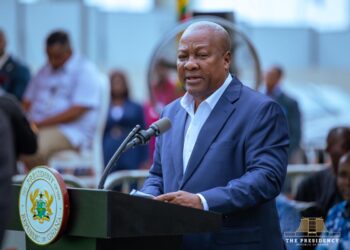
Speaking to demonstrators, ICU-Ghana General Secretary Morgan Ayawine said the protest was intended to defend workers’ jobs and protect VALCO as a strategic national asset.
He described VALCO as one of the major companies established during the era of Osagyefo Dr Kwame Nkrumah and argued that its future should not be determined through a process that could undermine state ownership and employment.
According to Mr Ayawine, successive governments have pursued the divestment of state-owned enterprises, and labour unions would resist any attempt to extend that approach to VALCO.
He stressed that the demonstration was not politically motivated but was driven by the union’s responsibility to protect employment.
The ICU’s position places it at odds with GIADEC’s stated plan to bring in private-sector participation through a co-ownership model.
The union, however, remains unconvinced and is demanding greater clarity over the future of VALCO and assurances that the company’s ownership structure will not compromise workers’ livelihoods.