The International Justice Mission (IJM) has underscored the growing importance of the media in Ghana’s fight against human trafficking, citing the recent rescue of 18 young Nigerian men allegedly trafficked into the country under false promises of employment as evidence of the impact of informed journalism.
Speaking at the commemoration of the 2026 World Day Against Trafficking in Persons in Accra, Anita Budu, Director of IJM’s West Africa Programme, said journalists and bloggers were becoming critical partners in identifying trafficking cases, raising public awareness and connecting victims to the appropriate authorities.
According to her, the rescue operation was initiated after a blogger received information from the alleged victims and recognised indicators of human trafficking.
She said the blogger followed the proper referral channels, enabling the Ghana Police Service to intervene and rescue the victims.
“The incident demonstrates how informed media practitioners can contribute significantly to anti-trafficking efforts,” Ms Budu said, revealing that bloggers are currently undergoing specialised training to improve their understanding of trafficking indicators and referral mechanisms.
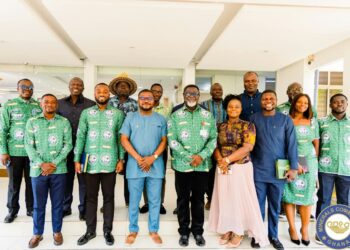
The event, held under the theme “Human Trafficking Act @20: Advancing Prevention, Protection, Prosecution and Partnership in Ghana – The Journey So Far,” brought together government agencies, law enforcement officials, civil society organisations, development partners, survivor groups and media practitioners.
Ms Budu said Ghana had made substantial progress since the enactment of the Human Trafficking Act, 2005 (Act 694), which established a comprehensive legal framework for preventing trafficking, protecting victims, prosecuting offenders and coordinating national anti-trafficking efforts through the Human Trafficking Secretariat.
However, she stressed that legislation alone would not eliminate trafficking without stronger collaboration among state institutions, communities, survivor groups and the media.
“Twenty years on, it is clearer than ever that prevention, protection and prosecution are only as strong as the partnerships that enable them,” she said.
Drawing on IJM’s 11 years of work in Ghana and nearly three decades of global experience, Ms Budu said trafficking declined significantly when investigators, prosecutors, social welfare officers, regulatory agencies and community leaders worked together as an integrated system.
She noted that effective collaboration increased the likelihood of identifying traffickers, securing convictions and providing meaningful support to survivors.
Ms Budu also highlighted the work of the Coalition of NGOs Against Child Trafficking (CNACT) and the Ghana Survivor Network, which she said had helped raise awareness, prevent child trafficking and support the reintegration of survivors across the Greater Accra, Volta and Central regions.
She cited the example of a former trafficking victim who had become a teacher and community advocate, helping to protect vulnerable children from exploitation.
Looking ahead, Ms Budu outlined key priorities for Ghana’s anti-trafficking response over the next two decades, including stronger government coordination, trauma-informed and victim-centred justice systems, improved referral pathways, better data collection and greater involvement of survivors in policymaking and prevention efforts.
She said Ghana’s ability to strengthen partnerships across all sectors would determine the effectiveness of future anti-trafficking efforts and help build a justice system capable of increasing accountability for traffickers while reducing the prevalence of human trafficking.