
















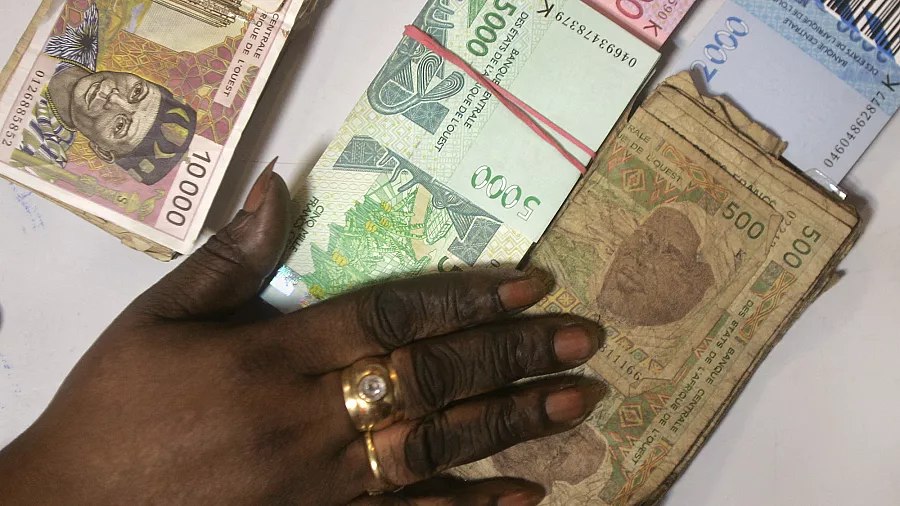
Guinea has become the first ECOWAS member state to publicly reject participation in the bloc’s planned single currency, choosing instead to retain the Guinean franc as the regional economic community prepares for the launch of the eco in 2027.
The announcement marks a significant development for the 12-member West African bloc, which has been working toward monetary integration for years. ECOWAS is currently targeting July 2027 for the introduction of the eco, although officials have recently indicated that the currency is likely to be introduced in phases.
Under the proposed approach, only countries that meet agreed economic convergence criteria—including targets for inflation, public debt, and monetary stability—would be admitted in the initial stage of the monetary union.
Guinea’s decision has drawn attention because it is the first clear indication that not all member states intend to participate in the common currency project.
Economists say Conakry’s position reflects concerns that adopting a shared currency before strengthening domestic production could weaken the country’s economic competitiveness.
Another factor is Guinea’s trade orientation. Around 80 percent of the country’s exports are destined for Asian markets, meaning its economic ties extend well beyond the West African region.
According to economist Mohamed Camara, speaking to RFI, linking the Guinean franc to a regional monetary framework could reduce the country’s flexibility in managing its exchange rate and broader economic policy.
ECOWAS leaders are expected to meet again in December to address unresolved issues surrounding the monetary union, including the structure of the future regional central bank, governance arrangements, and the list of countries that will form the first wave of eco adopters.






