
















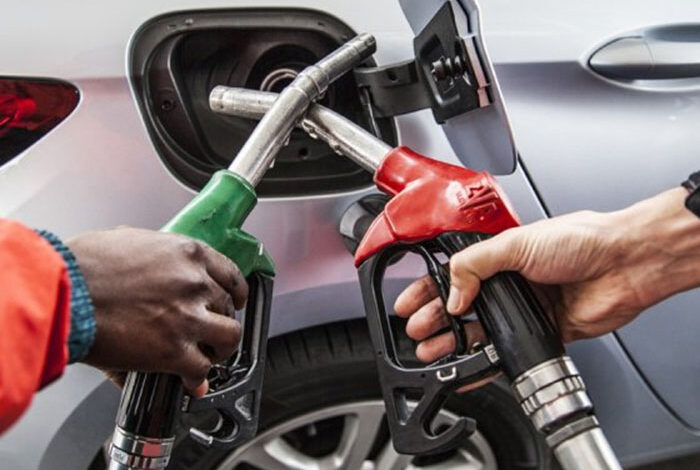
Motorists in Ghana are expected to enjoy some relief at the pumps from October 16, as petrol and diesel prices are projected to decline, while liquefied petroleum gas (LPG) users face a sharp increase in cooking fuel costs.
The latest pricing outlook by the Chamber of Oil Marketing Companies (COMAC) forecasts a 1.67% reduction in petrol prices and a 3.32% decline in diesel prices during the second pricing window of October 2026.
However, the anticipated relief for motorists contrasts with an expected 18.50% surge in LPG prices, raising concerns about the cost of cooking for households and businesses that depend on the product.
On a cash-purchase basis, petrol is projected to sell at GH¢17.67 per litre, while diesel is expected to retail at GH¢19.30 per litre. LPG prices, meanwhile, are projected to reach GH¢20.60 per kilogramme.
The divergent price movements mean that while transport operators and businesses using petrol and diesel could benefit from lower fuel costs, households relying on LPG may face additional financial pressure.
## LPG users face rising costs
The expected increase in LPG prices follows a 7.77% rise in its international market price over the review period, making it the petroleum product with the highest reported increase.
In contrast, international prices of diesel and petrol declined by 6.68% and 3.93%, respectively, creating room for the projected reductions in their local prices.
The increase in LPG prices could push up household cooking expenses and operating costs for restaurants, food vendors and other businesses that rely heavily on the fuel.
The government-industry intervention aimed at cushioning consumers against rising fuel costs also remains in place, helping to moderate diesel prices.
## Cedi depreciation threatens further relief
Despite the expected decline in petrol and diesel prices, developments on the foreign exchange market remain a major risk to the stability of fuel prices.
The cedi depreciated by 1.61% against the US dollar during the review period, trading at an average bank rate of GH¢11.8222 to the dollar between September 26 and October 11, 2026.
The local currency has lost more than 11% of its value against the dollar so far this year, amid seasonal import demand and higher energy costs.
Since Ghana imports refined petroleum products, depreciation increases the cedi cost of purchasing fuel on the international market. Further weakening of the currency could therefore erode the gains from falling international petroleum prices and put renewed pressure on pump prices.
## NPA lowers petrol and diesel price floors
The National Petroleum Authority (NPA) has also announced lower minimum price floors for petrol and diesel for the second October pricing window, while increasing the floor for LPG.
Petrol’s minimum price will fall to GH¢16.09 per litre from GH¢16.45 in the first pricing window of October.
Diesel’s minimum price will decline to GH¢17.09 per litre from GH¢17.97, while LPG’s minimum price will rise to GH¢13.87 per kilogramme from GH¢11.10.
The NPA price floors represent the minimum selling prices under the Petroleum Product Pricing Guidelines (PPPG), which Oil Marketing Companies (OMCs) and LPG Marketing Companies (LPGMCs) are required to observe during the applicable pricing window.
However, the floors exclude premiums charged by International Oil Trading Companies, operating margins of Bulk Import, Distribution and Export Companies, as well as marketing and dealer margins applied by OMCs and LPGMCs.
These additional charges are determined separately in line with the pricing guidelines, meaning actual pump prices may vary among fuel stations.
The anticipated reductions in petrol and diesel prices could offer temporary relief to motorists and businesses, but the sharp increase in LPG prices and continued pressure on the cedi could limit the overall benefit to consumers.






