
















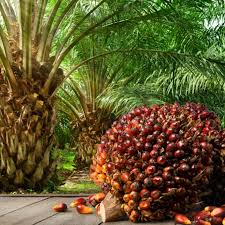
The Ghanaian government has unveiled an ambitious plan to introduce a National Oil Palm Industry Policy as part of its newly-launched ‘Feed Ghana Programme.’ The initiative aims to reduce the country’s heavy reliance on food imports, particularly chicken, by empowering schools, institutions, and households to engage in farming, with a special focus on ramping up oil palm production.
The policy, which is in collaboration with the Tree Crop Development Authority, focuses on six key strategic crops: oil palm, cashew, mango, coconut, shea, and rubber, with oil palm identified as the sector’s crown jewel due to its immense local and international potential. President Mahama, speaking at the launch, emphasized that oil palm, often referred to as “brown gold,” could help Ghana become a major player in the global market, projecting the palm oil market to reach $65 billion by 2027.
Currently, Ghana produces 300,000 metric tons of oil palm annually, but demand far exceeds this, standing at 450,000 metric tons. To bridge the 150,000 metric ton deficit, targeted incentives will be introduced to support the entire value chain, from cultivation to processing and export. This move is expected to boost local production and enhance Ghana’s competitiveness in the global palm oil market.
The government is also tackling the country’s annual food import bill, which currently stands at $2 billion. President Mahama called for a shift towards domestic production, highlighting the underutilization of many agro-industries across the country. To foster this shift, institutional farming will be a central component of the Feed Ghana Programme. All senior high schools with available land will be supported in cultivating crops and raising livestock, encouraging students to participate in agriculture, including backyard gardening.
“Everybody will be encouraged to grow their own food, whether it’s tomatoes, garden eggs, or peppers,” the President said, invoking the spirit of Ghana’s successful Operation Feed Yourself initiative from decades past.
In addition to the palm oil policy, the Feed Ghana Programme includes various other projects, such as the Grains and Legumes Development Project, Livestock Development, and Poultry Industry Revitalisation. The latter aims to tackle the country’s $400 million annual chicken import bill, an issue President Mahama referred to as a source of national shame.
Through the strategic focus on oil palm and other key crops, the government is not only aiming to reduce food import dependency but also to enhance food security, create jobs, and strengthen Ghana’s agricultural sector. The introduction of the National Oil Palm Industry Policy is a critical step toward revitalizing the country’s agro-industries and improving its position in the global market.






