
















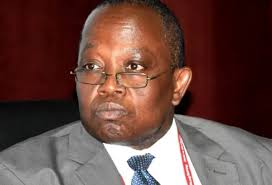
Former Auditor-General Daniel Yaw Domelevo has expressed reservations over the GHC20,000 gift threshold outlined in the newly launched Code of Conduct for political appointees, describing the limit as excessive and potentially harmful to public sector integrity.
Speaking in an interview with Citi FM, Domelevo acknowledged that the Code is a step in the right direction for promoting ethical leadership, but he argued that the gift policy falls short of global best practices.
“It is a good start. I see a lot of clarity in defining the role of a minister. I am very happy to read about the receiving of gifts, except that the threshold, I think, is too high. GHC20,000 is just too high, and that is more than 1,000 dollars,” he remarked.
Domelevo, who previously served at the World Bank, noted that international standards on gift acceptance are much stricter, pointing to a $50 limit at the global financial institution. “At the World Bank, where I was, the threshold was 50 dollars. If you receive a gift above the value of $50, you surrender it; you do not take it home. But in this case, it is about 1,000 dollars, and 20,000 Ghana cedis to be specific. I think it is too high,” he said.
The newly introduced Code of Conduct, unveiled by President John Dramani Mahama on May 5, allows political appointees to accept gifts valued up to GHC20,000. However, any gift exceeding that amount must be declared to Cabinet and handed over to the state upon the appointee’s exit from office, unless the President grants permission for the individual to retain it.
While the Code has been praised as a progressive move towards ethical governance, Domelevo’s critique has sparked fresh debate over the effectiveness of the measures in curbing corruption and ensuring public accountability.
His comments highlight a growing call for tighter regulations and stronger oversight in Ghana’s public sector, reflecting broader concerns about transparency and the need to align local standards with global norms.






