
















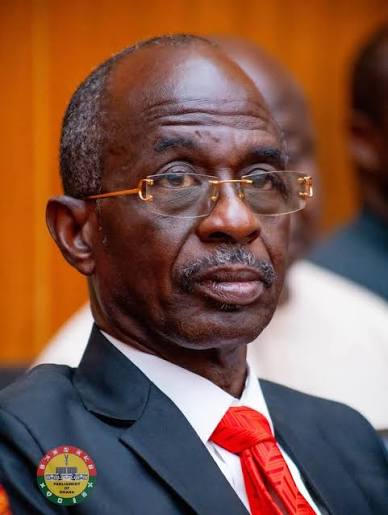
National Chairman of the National Democratic Congress (NDC), Johnson Asiedu Nketia, has called on African countries to shift from exporting raw materials to building industries that add value and strengthen the continent’s economic independence.
Speaking at the Third Meeting of the Standing Committee of the International Movement for the Freedom of Nations in St. Petersburg, Russia, on June 25, 2026, he said Africa must seize the opportunities presented by growing global demand for its critical minerals, energy resources and expanding markets.
He noted that while major powers continue to compete for influence and strategic resources across the continent, Africa must ensure it benefits fairly from its natural wealth rather than remaining a supplier of raw materials.
According to him, the continent should avoid repeating historical patterns where its resources fuel industrial growth elsewhere while Africans receive limited economic benefits.
Mr. Asiedu Nketia observed that emerging sectors such as artificial intelligence, biotechnology, advanced manufacturing, digital infrastructure and clean energy would increasingly depend on resources abundant in Africa.
He, however, stressed that the continent’s ability to benefit from these opportunities would depend on the quality of its institutions, educational systems, industrial capacity and long-term strategic planning.
The NDC Chairman further stated that Africa’s quest for true economic sovereignty requires more than political rhetoric, insisting that competent governance, technological advancement, industrialisation and stronger regional integration are essential to reducing dependence on external powers.
He urged African governments to invest in value addition, innovation and institutional reforms that would enable the continent to negotiate international partnerships from a position of strength and confidence.
Mr. Asiedu Nketia also reaffirmed Ghana’s commitment to international cooperation founded on mutual respect and equality, saying the country supports a global order where partnerships are based on shared interests rather than dependency.
He added that a more balanced international system, which respects the sovereignty of all nations regardless of size, would promote stability, legitimacy and equitable global development.






