Stakeholders at the recently concluded National Education Forum have emphasized the urgent need for a comprehensive review of Ghana’s education curriculum and assessment systems to ensure they are aligned with the country’s long-term developmental goals.
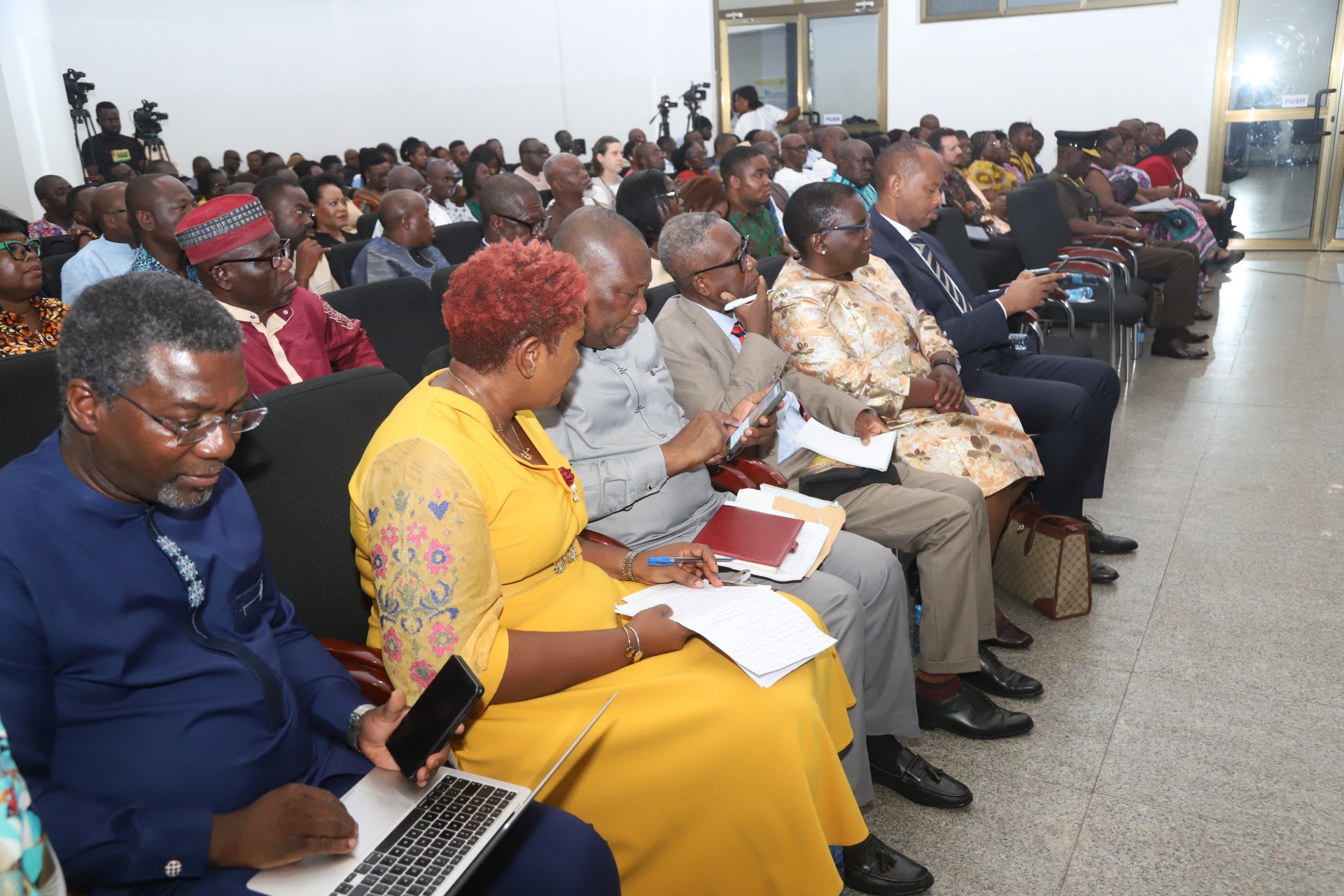
The forum, held from February 19 to March 13, 2025, under the theme Transforming Education for a Sustainable Future, brought together over 5,000 participants, who contributed more than 2,000 proposals aimed at reforming the education sector. These proposals were drawn from zonal stakeholder engagements, town hall meetings, and a study involving more than 20,000 respondents.
A communique issued at the end of the forum, and read by Professor George K.T. Oduro, Chairman of the Planning Committee, stressed the need for prioritizing resources for curriculum implementation and assessment. It urged the government to take decisive steps in addressing challenges affecting the quality of education at all levels.
One of the key concerns raised was the quality and quantity of food served in secondary schools. Stakeholders appealed for immediate interventions to improve school meals to enhance students’ well-being and academic performance. Additionally, the forum called for collaborative efforts between the government and key stakeholders to enforce discipline in schools and curb examination malpractices, which undermine the integrity of the education system.
The communique further urged the government to ensure the full implementation of the Inclusive Education Policy, guaranteeing that all learners, regardless of background or ability, receive quality education. Stakeholders also called for increased investment in tertiary education infrastructure, particularly in hostel facilities, using both state funding and regulated public-private partnerships.
Concerns about government interference in educational institutions were also highlighted, with calls for a balance between institutional autonomy and regulatory oversight. Strengthening governance structures, ensuring transparency, and enhancing accountability were emphasized as key to fostering a thriving education sector.
In addressing technical and vocational education, the communique stressed the need for diversification and greater investment in both formal and informal training programs. It highlighted that equipping students with practical skills is essential for national development and industrial growth.
Another major proposal was the establishment of a National Research Fund to support innovation and academic research. Stakeholders recommended that the government adopt a structured framework to regulate and enhance research funding, ensuring that the country remains competitive in the global knowledge economy.
The forum’s discussions underscored the importance of a holistic approach to education reform, where quality education, proper financing, and efficient regulation work in harmony to create a sustainable future. As Ghana looks ahead, stakeholders hope that the government will take swift and decisive action to implement these recommendations, ensuring that education serves as a catalyst for national transformation.