
















The Christian Health Association of Ghana (CHAG) has reaffirmed its commitment to eliminating childhood disabilities caused by clubfoot through intensified awareness campaigns and free treatment initiatives.
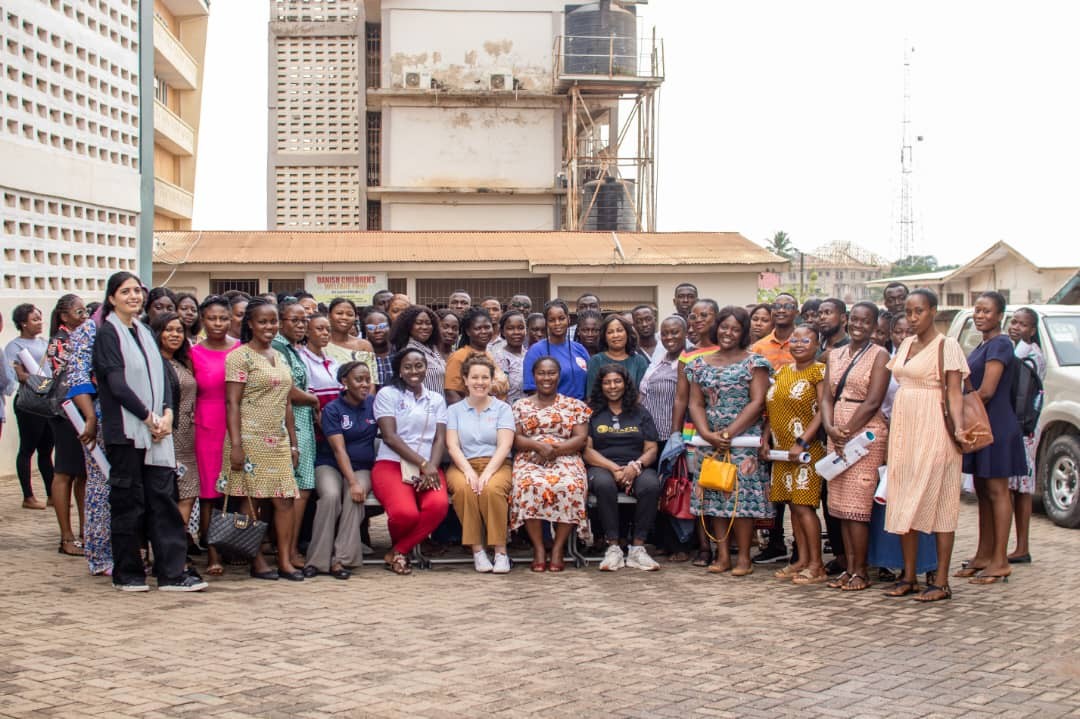
At a two-day maternal and child health screening event held at the Kwadaso Seventh-Day Adventist (SDA) Hospital, CHAG and its partners—Hope Walks and Brazza Foundation International—provided free treatment and counseling to over 70 affected children and their families.
Many parents who benefited from the initiative expressed relief and gratitude, as treatment for clubfoot remains expensive and inaccessible to many in rural areas. Since the advocacy program began in 2008, CHAG has provided free treatment to over 8,632 children and extended financial and material support to more than 100 affected families.
Nana Afua Adutwumwaa Adjetey, Programmes Manager of CHAG, highlighted the urgent need for more public education on the condition, urging the media to take an active role in raising awareness.
“About 180,000 children are born with clubfoot worldwide each year, and without timely treatment, they risk permanent disability,” she emphasized. “CHAG is committed to ensuring that every child with clubfoot in Ghana receives free treatment and the necessary support to live a normal life.”
A major challenge in tackling clubfoot in Ghana is the deep-rooted stigma and misconceptions surrounding the condition. Many parents, particularly in rural communities, attribute clubfoot to spiritual causes or curses, leading to delays in seeking medical help.
Dr. Prosper Moh, an orthopaedic surgeon at Saint John of God Hospital and Medical Director of CHAG, debunked these myths, stressing that clubfoot is a natural birth defect with no supernatural origins.
“Clubfoot is not caused by evil spirits, nor is it the result of parental wrongdoing. It is simply a common birth deformity where one or both feet turn inward and downward,” he clarified. “What is important is early diagnosis and treatment, which significantly improves mobility and quality of life.”
Despite the progress made, CHAG and its partners face financial and logistical challenges in expanding the reach of their free treatment programs. Nana Adutwumwaa Adjetey appealed to the government and other health stakeholders to provide more funding and resources to sustain and expand the initiative.
The event at Kwadaso not only focused on treating affected children but also trained selected nurses and mothers on identification, detection, and referral processes, ensuring that more cases are diagnosed and treated early.
As part of its advocacy efforts, CHAG plans to extend similar screening and treatment programs to other parts of Ghana, bringing hope to thousands of families affected by clubfoot.






