
















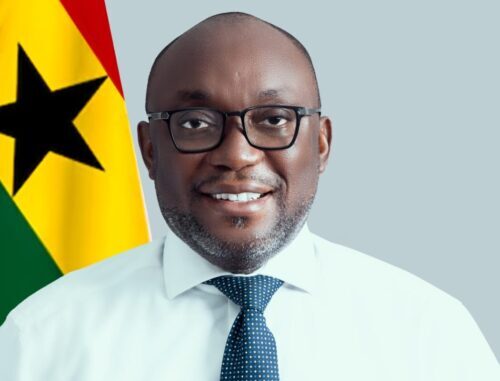
Dr Kingsley Agyemang has called on the government to urgently strengthen Ghana’s public health emergency preparedness following reports of an Ebola case in Nigeria, warning that the country must address potential gaps before an outbreak reaches its borders.
In a statement dated October 26, 2026, Dr Agyemang said the reported case of the Bundibugyo strain of Ebola in Nigeria raised concerns about the potential spread of infectious diseases across West Africa.
He acknowledged the Ministry of Health’s announcement of intensified surveillance and preparedness measures, including enhanced monitoring at Kotoka International Airport, but stressed that the country’s readiness must be demonstrated through practical action.
“Preparedness today is the surest protection against a public health emergency tomorrow,” he said.
Dr Agyemang urged the Ministry of Health and the Ghana Health Service to strengthen disease surveillance at major points of entry, particularly land borders, and activate regional and district rapid response teams.
He also called for assessments of designated isolation and treatment facilities to ensure they were ready to respond to a potential outbreak.
Questions Over Emergency Preparedness Funding
The statement raised concerns about the government’s financing of public health emergency preparedness, with Dr Agyemang demanding greater transparency regarding funds allocated to the sector.
He said there had been insufficient publicly demonstrated progress in addressing concerns he raised in a statement on March 27, 2026, about Ghana’s preparedness for public health emergencies.
He called on the Minister for Health to provide Parliament and the public with a detailed account of the funds allocated, released and utilised for emergency preparedness, alongside evidence of improvements made since March.
“Is the Government unwilling to spend on preventive measures, or have the necessary resources simply not been prioritised?” he asked.
Dr Agyemang argued that adequate funding must be released promptly to support preparedness measures rather than waiting for a confirmed case to expose weaknesses in the health system.
Healthcare Workers and Border Surveillance
The statement also emphasised the need to protect frontline healthcare workers through practical training, emergency simulation exercises, laboratory preparedness and clear referral protocols.
Dr Agyemang called for adequate supplies of personal protective equipment, diagnostic materials and infection prevention resources to strengthen the country’s capacity to detect and respond to potential infections.
He further urged the government to intensify surveillance at land borders and other major entry points, citing regional travel, commercial activities and population movements as potential pathways for cross-border transmission.
He said Ghana should also strengthen collaboration with the World Health Organisation (WHO), the Africa Centres for Disease Control and Prevention and neighbouring countries to facilitate information sharing and coordinated responses.
Call for Public Education Without Panic
Dr Agyemang called for timely, transparent and evidence-based public communication to educate Ghanaians about Ebola symptoms, preventive measures and appropriate reporting channels.
He cautioned against creating unnecessary public fear while stressing the importance of ensuring that citizens receive accurate information about potential health risks.
The statement said that, according to the latest official Ghanaian update cited by Dr Agyemang, no Ebola case had been confirmed in Ghana.
He urged the government to use the reported case in Nigeria as an opportunity to demonstrate the country’s readiness to respond to a potential public health emergency.
The statement did not provide details of specific funding allocations or operational assessments of Ghana’s preparedness facilities, but called for the government to make such information available to Parliament and the public.






