
















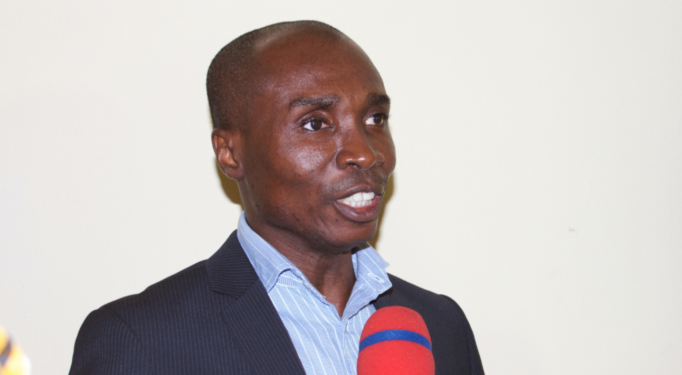
Economist Professor Patrick Asuming has raised concerns over the government’s ambitious goal of reducing Ghana’s inflation rate to 11.9% by the end of 2025. He describes the target as “a little aggressive,” pointing out that the country has struggled to bring inflation below 23% throughout 2024.
Speaking to Citi Business News, Professor Asuming acknowledged the government’s commitment to tackling inflation but noted that achieving such a sharp decline would require stronger policy interventions.
“Currently, inflation stands at just over 23%, and despite efforts throughout 2024, we have not managed to push it below 22%. The government has outlined both fiscal and monetary measures to meet this goal, but it will take significant effort to realize,” he said.
While expressing skepticism about the inflation target, he remained optimistic about other macroeconomic objectives outlined in the 2025 budget. These include:
- A real GDP growth rate of at least 4.4%
- A non-oil GDP growth rate of at least 5.3%
- A primary balance surplus of 1.5% of GDP
- Gross International Reserves covering a minimum of three months of imports
Inflation in Ghana showed a marginal decline in February 2025, easing to 23.1% from 23.5% in January, according to data from the Ghana Statistical Service. This drop was driven mainly by a decrease in food inflation, which stood at 28.1%, while non-food inflation remained at 18.8%.
Despite these slight improvements, Professor Asuming emphasized that achieving the government’s ambitious inflation target will require a more aggressive approach. He, however, believes that the other macroeconomic targets appear more realistic and achievable.






