
















Ghana’s telecommunications operators have spent more than US$20 million repairing fibre network damage this year, a cost the government says is diverting resources that could otherwise be used to expand network coverage and improve digital connectivity.
Communications, Digital Technology and Innovations Minister Sam Nartey George said the country had recorded 8,578 fibre cuts so far in 2026, with road construction under the government’s Big Push programme accounting for almost half of the incidents.
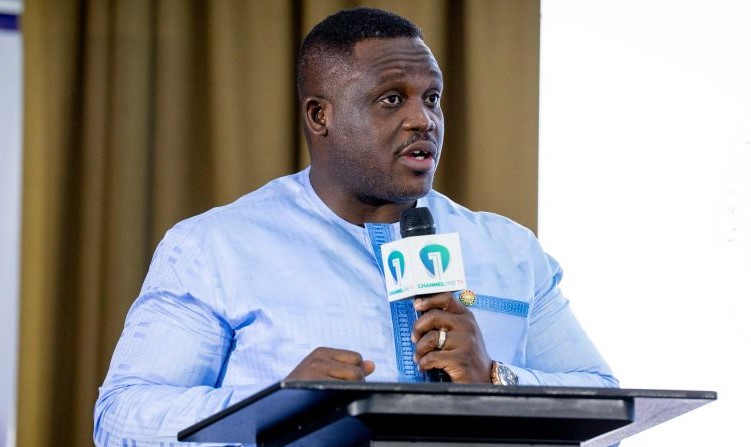
Speaking at the Government Accountability Series on Monday, September 7, 2026, the Minister said fibre cuts had become a major financial burden for telecommunications companies, forcing operators to repeatedly spend on repairing infrastructure instead of investing in new sites and network expansion.
“That’s money that without the fibre cut we could have used to build new sites,” he said.
Mr George identified road construction as the single largest source of fibre damage, accounting for approximately 49 percent of all fibre cuts recorded in the country.
He said the aggressive expansion of road infrastructure under the Big Push programme had increased the risk of underground telecommunications cables being damaged during construction activities.
“The biggest source of fibre cuts is from the Big Push project because the Ministry of Roads is carrying out an aggressive project to construct roads across the country,” he said.
The Minister said the problem was not new, with Ghana recording about 3,900 fibre cuts in 2021, more than 10,000 in 2022, over 6,000 in 2023 and more than 5,600 in 2024.
The number rose again to approximately 8,000 incidents in 2025, while the current pace in 2026 puts the country on course to record nearly 9,000 fibre cuts by the end of the year.
Beyond the cost of repairs, Mr George said repeated damage to fibre infrastructure also affected the quality and reliability of telecommunications services.
Frequent interruptions require operators to deploy technical teams and equipment to restore damaged connections, adding operational costs while potentially affecting consumers and businesses that depend on stable connectivity.
The Minister warned that the financial implications could undermine efforts to accelerate Ghana’s digital infrastructure development if significant portions of operators’ investment resources continued to be consumed by repairs.
He stressed that preventing fibre cuts was therefore not only a technical issue but also an important consideration for telecommunications investment and national connectivity.
Despite the infrastructure challenges, Mr George said government remained committed to expanding telecommunications coverage, particularly in underserved areas.
He disclosed that the government had increased its target for new telecommunications sites from 50 in 2025 to 800 in 2026, reflecting the scale of its ambition to improve network availability across the country.
However, he said achieving the expansion target would require stronger measures to protect existing fibre infrastructure and reduce avoidable damage.
Mr George therefore stressed the need to minimise fibre cuts so that funds earmarked for telecommunications development could be directed towards building new infrastructure rather than repeatedly restoring damaged networks.
He said protecting the country’s fibre backbone would ultimately help operators and government maximise investments in digital connectivity and ensure that more communities benefit from expanded telecommunications services.






