
















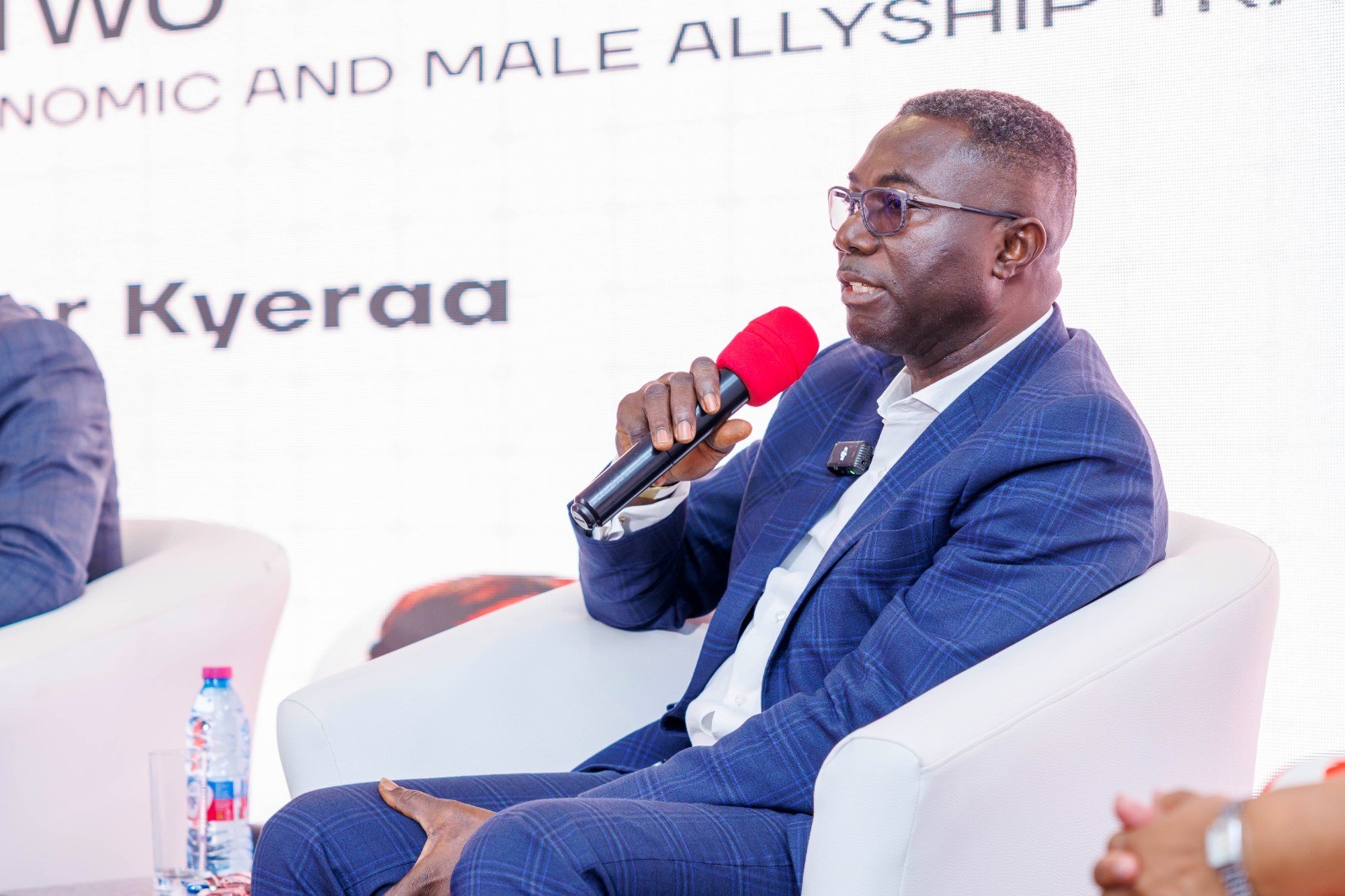
Fidelity Bank Ghana has urged West African governments to accelerate the harmonisation and digitalisation of customs procedures to make regional trade faster, cheaper and more accessible to businesses.
The bank said inconsistent customs requirements, fragmented procedures and unreliable data continued to create unnecessary barriers for traders, with small businesses and women-led enterprises bearing a significant share of the burden.
Speaking at the Breaking Barriers to Trade Conference in Accra, the Director of Banking Operations at Fidelity Bank, Mr Aaron Ameyaw, said regional integration could not achieve its full potential without coordinated customs systems across countries.
He spoke on the theme, “Reimagining Trade, Influence and Institutional Legacy.”
Mr Ameyaw said traders moving goods between Ghana and neighbouring countries such as Togo and Nigeria were often confronted with different regulatory requirements and administrative processes, resulting in delays and increased operating costs.
He said women traders were particularly affected because the additional costs and delays could undermine their ability to expand their businesses and compete effectively.
According to him, governments, regulators and private sector institutions must work together to establish common customs frameworks that would allow goods to move more seamlessly across borders.
He said the issue of customs harmonisation had persisted for years and required stronger political and institutional commitment if businesses were to fully benefit from regional trade opportunities.
Mr Ameyaw also highlighted the growing role of artificial intelligence (AI) and automation in improving trade and business operations, stressing that the success of such technologies depended heavily on the quality of data available.
“In Ghana, data is a problem. These AI machine learners thrive on data. And so if your data is not correct, you have big issues,” he said.
He welcomed the introduction of the Publican AI System in early 2026 to complement the Integrated Customs Management System at Ghana’s ports, saying the technology had contributed to more than US$300 million in additional revenue.
He said the development demonstrated how technology could simultaneously improve efficiency in trade facilitation and strengthen revenue mobilisation.
Mr Ameyaw said Fidelity Bank was also applying automation internally, including the use of robotic process automation in reconciliation operations, which had improved efficiency and freed employees to concentrate on more strategic responsibilities.
Meanwhile, the bank has also highlighted the need to address structural barriers preventing women-owned businesses from reaching their full potential.
The Director of SME Banking at Fidelity Bank, Mr Alex Agyei-Amponsah, said women-owned enterprises constituted between 38 and 46 per cent of businesses in the region but continued to face significant constraints to growth.
He said many women entrepreneurs had to manage family responsibilities alongside their businesses, limiting the time and resources available for expansion.
Mr Agyei-Amponsah said the Fidelity Young Entrepreneurs Fund was helping to address some of those challenges by providing financing, incubation and capacity-building support to young entrepreneurs.
The programme targets entrepreneurs aged between 18 and 40, while women are eligible up to age 45.
He said beneficiaries were also assisted to build market-ready businesses and meet regulatory and compliance requirements needed to access domestic and international markets.
Mr Agyei-Amponsah further pointed to group lending as another avenue through which small businesses could access larger commercial opportunities.
He cited the example of a member of the Federation of Associations of Ghana Exporters who participated in a yam export contract to Canada through group financing, gaining practical export experience and building capacity for future transactions.
He said such interventions were part of Fidelity Bank’s broader efforts to promote inclusive entrepreneurship and ensure that more businesses, particularly women- and youth-owned enterprises, could participate meaningfully in regional and international trade.






