
















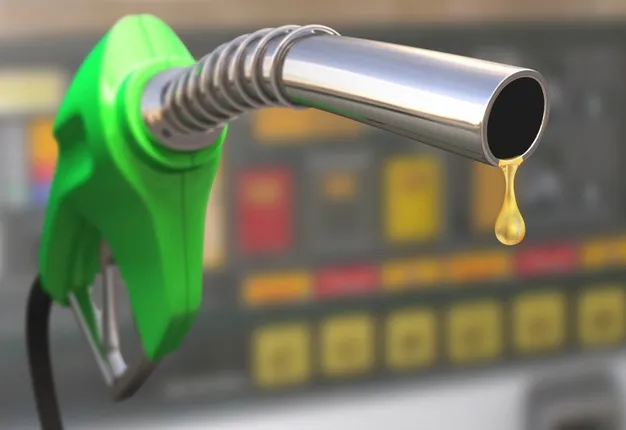
Consumers and businesses could see some relief at the pumps after the National Petroleum Authority (NPA) announced reductions in the benchmark price floors for petrol, diesel and liquefied petroleum gas (LPG) for the second pricing window of June.
The revised prices, which take effect under the Petroleum Product Pricing Guidelines (PPPG), reflect favourable developments on the international petroleum market and changing industry conditions.
Petrol recorded the largest reduction, with its benchmark price floor dropping from GH¢15.20 per litre during the first pricing window of June to GH¢13.39 per litre, representing a decline of GH¢1.81 or nearly 12 percent.
Diesel prices also saw a downward adjustment, with the benchmark floor reduced by GH¢0.38 per litre from GH¢15.49 to GH¢15.11, while LPG fell by GH¢0.25 per kilogram from GH¢13.48 to GH¢13.23.
According to the NPA, the revised benchmarks represent the minimum prices at which Oil Marketing Companies (OMCs) and LPG Marketing Companies (LPGMCs) are expected to sell petroleum products during the pricing window.
The authority, however, clarified that the benchmark figures do not include premiums charged by International Oil Trading Companies (IOTCs), operating margins of Bulk Import, Distribution and Export Companies (BIDECs), or marketers’ and dealers’ margins, which are determined independently under the existing pricing framework.
The latest adjustments come as government reviews temporary fuel relief measures introduced to cushion consumers against price increases linked to geopolitical tensions in the Middle East.
Under the revised support package, the GH¢0.36 per litre subsidy on petrol has been withdrawn, while support on diesel has been reduced from GH¢2.00 per litre to GH¢1.07 per litre.
Government has indicated that the revised intervention will remain in place for two pricing windows, subject to further assessment of market conditions.
Industry observers expect the lower benchmark prices to ease pressure on transport operators, manufacturers and other fuel-dependent sectors, potentially contributing to lower operational costs and moderating inflationary pressures in the economy.






