
















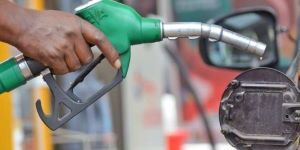
Transport operators could come under renewed pressure to increase fares if rising global crude oil prices trigger another upward adjustment in fuel prices at Ghanaian pumps later this month.
The Chamber of Petroleum Consumers (COPEC) is projecting a possible increase in petroleum prices from September 16, the start of the second pricing window for the month, following a surge in Brent crude oil prices above $100 per barrel.
COPEC Executive Secretary Duncan Amoah said the development could translate into higher prices for petrol and other petroleum products in Ghana, particularly as market and importation premiums remain elevated.
He cautioned, however, that consumers were unlikely to feel the full impact immediately because movements in international crude prices normally take several days to pass through the refining, shipping and importation chain.
Mr Amoah said the expected adjustment would therefore become more apparent around the middle of September.
“It’s one of the indicators that likely prices for the next window will be a little up or higher for the Ghanaian market,” he said in an interview with Citi News.
He said the combination of higher crude oil prices and already elevated market and importation premiums could leave motorists paying more at the pumps.
“What this means is that you are probably most likely going to pay a little more for petrol in Ghana, not forgetting the fact that already market premiums and then, of course, importation premiums are high,” he said.
The projected increase could also have implications beyond the fuel market, particularly for public transport, logistics and the cost of moving goods and people across the country.
Transport operators have, for now, decided to maintain existing fares despite developments in the petroleum market. Mr Amoah welcomed the decision, saying it would provide some relief for commuters in the short term.
He, however, questioned how long operators could absorb higher fuel costs without eventually passing some of the additional expenditure on to passengers.
“Clearly for me, that is good that they are deciding not to increase first. Except that the question will be how long can they sustain their operations if prices of petroleum products were to go up again,” he said.
The situation puts renewed attention on the link between international crude oil prices and domestic living costs, with any sustained rise in pump prices potentially increasing operating costs for transport operators and businesses.
For consumers, the immediate concern is whether the projected September 16 adjustment will be temporary or form part of a broader upward trend in fuel prices that could eventually translate into higher transport fares and prices of goods and services.






