
















Ghana’s long stretch of easing price pressures has come to a temporary halt after headline inflation recorded a marginal increase in April 2026, signalling a possible shift in the country’s disinflation trend.
Data released by the Ghana Statistical Service shows inflation rose to 3.4% in April, up from 3.2% in March, marking the first increase after 15 consecutive months of steady decline.
The latest figure suggests that while overall price levels remain relatively stable, some upward pressure is beginning to re-emerge in the economy.
On a month-on-month basis, inflation stood at 1.0%, indicating a noticeable rise in prices between March and April.
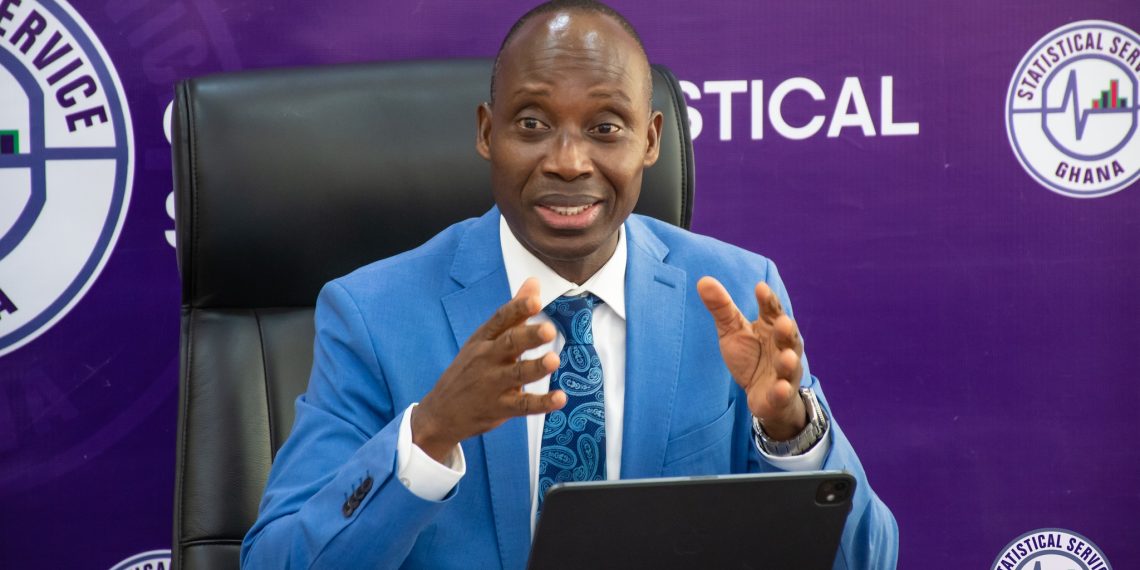
Presenting the figures in Accra on Wednesday, May 6, Government Statistician Alhassan Iddrisu explained that the increase was largely driven by the housing, utilities, and energy-related component of the inflation basket.
According to him, the Consumer Price Index rose from 258.6 in April 2025 to 267.3 in April 2026, translating into the 3.4% year-on-year inflation rate.
“In simple terms, prices are 3.4% higher than they were one year ago,” he stated, adding that the monthly increase of 1% reflects a mild pickup in price momentum.
He further noted that although inflation has increased compared to March 2026, the broader picture still reflects a significant improvement over the same period last year, when inflation was much higher.
“Compared to April 2025, inflation has dropped sharply by 17.8 percentage points. This shows inflation remains low overall, but we are beginning to see a slight upward movement,” he explained.
The development is expected to complicate expectations around possible monetary policy easing, as policymakers monitor whether the recent uptick signals a temporary adjustment or the start of a new inflation trend.






