Ghana has strengthened its foothold in the global labour market after its Labour Mobility Agreement with the State of Qatar officially came into full legal force—unlocking a new wave of employment opportunities for Ghanaian workers abroad.
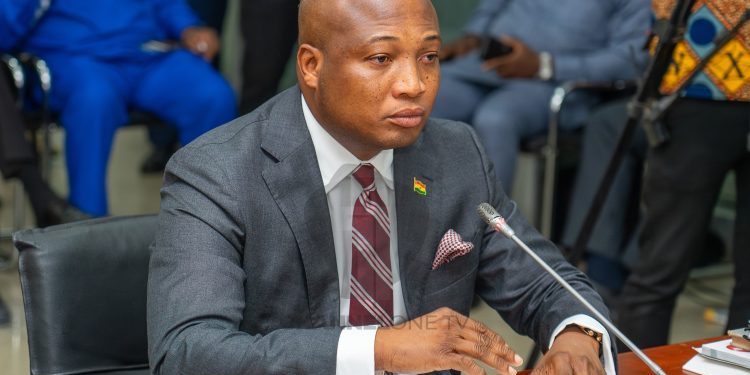
The development, confirmed by Foreign Affairs Minister Samuel Okudzeto Ablakwa at the Doha Forum, marks a significant diplomatic and economic milestone as Ghana seeks to position itself as a competitive labour-exporting nation within the Gulf region.
Ratification Opens Door to Expanded Labour Quota
Although Qatar ratified the bilateral agreement as far back as 2000, Ghana’s recent ratification under Article 75 of the Constitution completes the process, giving the pact legal backing and enabling both countries to activate its provisions.
One immediate outcome is Qatar’s approval of a higher labour quota for Ghana—a strategic gain that now places the country in closer competition with African heavyweights such as Kenya (77,000 workers) and Uganda (40,000 workers), who currently dominate labour intake in Qatar.
With over 13,000 Ghanaians already employed in the Gulf nation, the upgraded quota is expected to accelerate labour deployment and significantly increase foreign remittances.
A Strategic Workforce Export Model, Not Brain Drain
Positioning the initiative as part of Ghana’s broader economic diplomacy, Mr Ablakwa dismissed fears of brain drain, instead describing the agreement as a “brain gain strategy” similar to labour export models used by Cuba, the Philippines, and Thailand.
He argued that workers returning home after three to four years abroad would return with enhanced experience, exposure, and capital to establish businesses—strengthening both the local workforce and national economy.
Agreement Anchored on Worker Protection and Human Rights
Beyond increasing labour numbers, the pact introduces a robust protective framework designed to eliminate abuses often associated with migrant work in the Gulf.
The agreement guarantees:
-
Mandatory insurance
-
Comprehensive medical coverage
-
Decent accommodation
-
Strong anti-exploitation safeguards
-
Clear channels for reporting abuse
It also ends informal and undocumented recruitment practices—once a major source of vulnerability for Ghanaian migrant workers.
“Gone are the days when passports were seized and workers didn’t know their employers,” the Minister stressed.
Joint Committee to Oversee Implementation
To ensure compliance, Ghana and Qatar have agreed to establish a joint technical working committee, with the inaugural meeting scheduled to take place in Accra in February 2026.
Ghana has additionally submitted a formal bid to host the West African Centre for the Recruitment of Workers into Qatar, positioning itself as the primary hub for regional labour deployment.
Ghanaian Workers in High Demand
Mr Ablakwa highlighted that Ghanaian workers continue to be highly regarded in Qatar for their discipline, integrity, and proficiency in English—attributes that have consistently placed them in high demand.
He described the new era of structured labour mobility as “golden,” noting that safe, regulated pathways abroad would complement domestic job creation efforts and harness Ghana’s youthful population for global opportunities.