
















Ghana has stepped up efforts to reform its fisheries sector and strengthen the management of its marine resources as it seeks to protect coastal livelihoods and maintain access to key international seafood markets.
The renewed push formed part of discussions between Ghana and the European Union (EU) over the country’s efforts to address illegal, unreported and unregulated (IUU) fishing and resolve concerns that led to the EU’s yellow card warning in 2021.
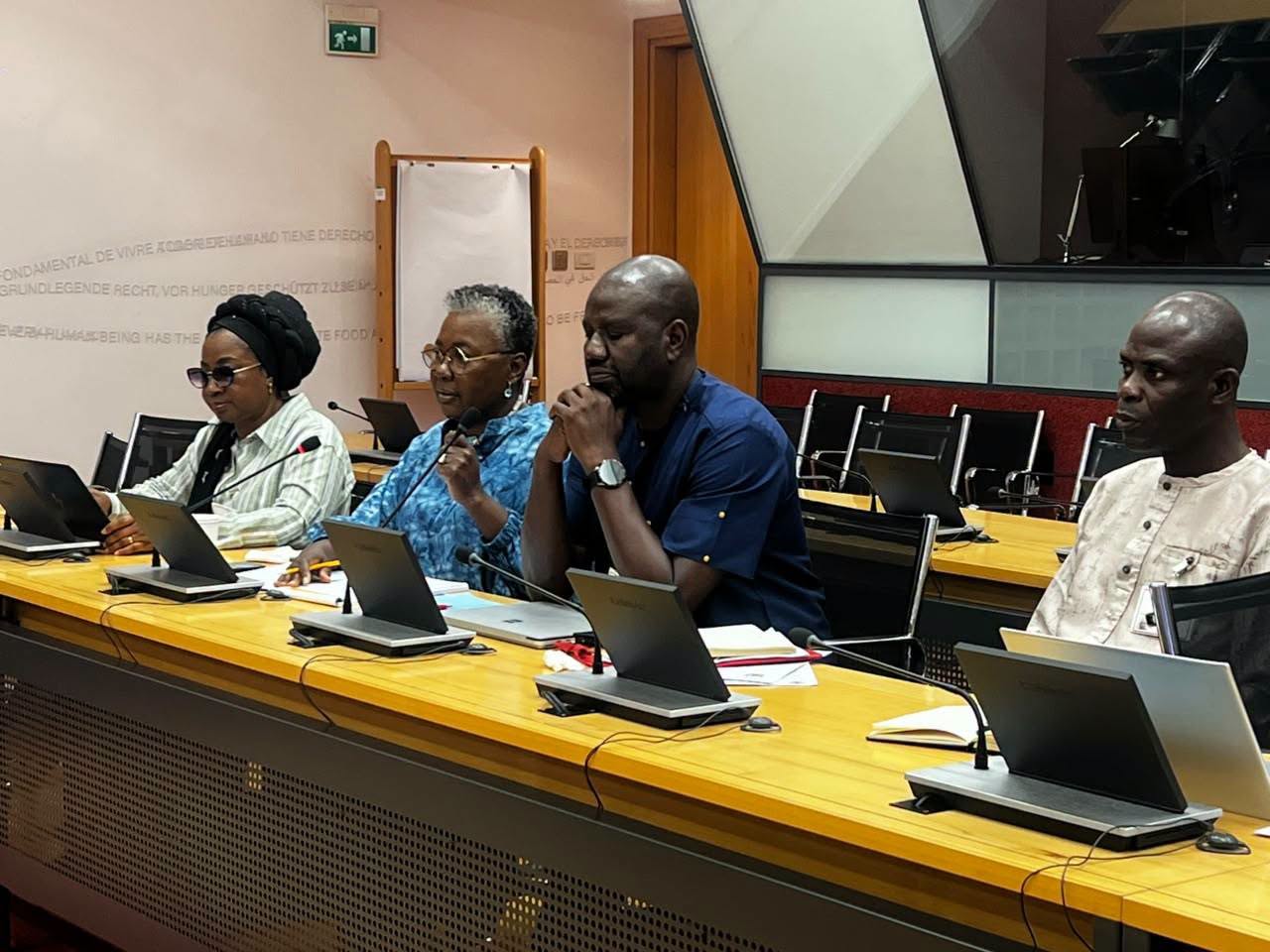
Minister for Fisheries and Aquaculture, Emelia Arthur, led a Ghanaian delegation to talks with officials of the European Commission’s Directorate-General for Maritime Affairs and Fisheries (DG MARE) in Rome on Wednesday, September 9, 2026.
The engagement focused on the progress Ghana has made in addressing the deficiencies identified by the EU and the additional measures required to restore full compliance and pave the way for the lifting of the yellow card.
A major focus of the discussions was the strengthening of monitoring, control and enforcement mechanisms across Ghana’s territorial waters to prevent illegal fishing activities and improve compliance within the sector.
The two sides also reviewed Ghana’s fisheries governance framework, including measures to bring the country’s regulatory and enforcement standards in line with international requirements.
The engagement comes at a critical time for Ghana’s fisheries sector, where illegal fishing poses risks not only to marine ecosystems but also to the economic survival of fishing communities and the broader seafood value chain.
The government’s efforts to address IUU fishing are therefore expected to have implications beyond environmental protection, particularly for the sustainability of fish stocks, incomes of coastal households and Ghana’s participation in international seafood trade.
Resolving the issues associated with the EU yellow card is also considered important for Ghana’s ability to maintain confidence among international trading partners and strengthen the credibility of its fisheries governance regime.
The government is consequently pursuing stronger regulatory and enforcement measures while engaging international partners to address the concerns that triggered the warning.
The Rome meeting formed part of the continuing Ghana-EU dialogue aimed at finding practical solutions to the challenges confronting the fisheries sector and improving Ghana’s compliance with international fisheries management standards.
Ghana is also positioning the reforms within its wider ambition to develop a sustainable blue economy, with the protection of marine resources seen as essential to securing the long-term productivity of the ocean and the livelihoods that depend on it.
The government says sustained collaboration with international partners will be critical to safeguarding Ghana’s waters, rebuilding fish stocks and ensuring that the country’s marine resources continue to support economic activity for generations to come.






