
















Ghana is positioning its pharmaceutical industry to serve markets beyond the country as the Government moves to expand local production of medicines, vaccines and other pharmaceutical products.
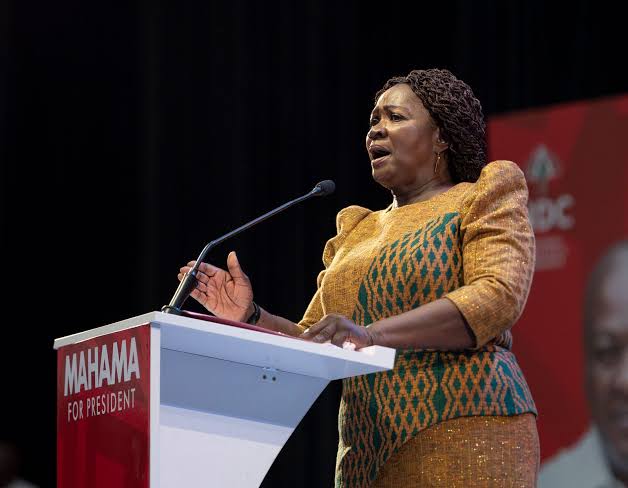
Vice President Professor Jane Naana Opoku-Agyemang said the Government’s five-year strategy to significantly expand domestic pharmaceutical manufacturing would reduce dependence on imported medicines while creating opportunities for Ghanaian manufacturers in the wider African market.
She said Ghana was developing capacity in specialised pharmaceutical production, including infusions, injectables and anaesthetics, while also building capacity for vaccines and biological products.
“The opportunity before Ghana’s pharmaceutical industry is larger than the domestic market,” she said, stressing that manufacturers would, however, have to maintain rigorous quality standards to compete internationally.
The Vice President was speaking at the opening of the 90th anniversary celebration and Annual General Meeting of the Pharmaceutical Society of Ghana (PSGH) in Accra.
The anniversary is on the theme: “Science, Impact, Legacy.”
Prof. Opoku-Agyemang said Ghana’s participation in the African pharmaceutical procurement mechanism would provide opportunities for quality-assured local manufacturers to compete for business across the continent.
She described the development of domestic pharmaceutical production as both an industrial priority and a critical component of national health security, particularly amid vulnerabilities in global medicine supply chains.
According to her, strengthening local manufacturing would help Ghana build greater resilience against disruptions in the international pharmaceutical market.
She called for stronger collaboration among Government, industry, academia and regulators to build a competitive pharmaceutical value chain covering research, formulation, manufacturing and distribution.
The Vice President also urged research institutions and academia to channel more scientific capacity towards addressing Ghana’s health challenges and supporting innovation in the pharmaceutical sector.
She said strong regulation would remain essential as the industry expanded, with institutions such as the Pharmacy Council, Food and Drugs Authority and Health Facilities Regulatory Agency playing important roles in protecting the public.
Prof. Opoku-Agyemang said the quality and efficacy of medicines, competence of healthcare providers and standards of healthcare facilities must remain non-negotiable.
She noted, however, that regulatory systems must evolve alongside technological developments such as artificial intelligence, digital prescribing and increasingly complex pharmaceutical supply chains.
“The task is to keep standards current, keep our institutions coordinated, and keep patient safety at the centre of all innovation,” she said.
The Vice President further urged pharmacists to embrace technology without losing professional judgement, integrity and the human relationships central to healthcare delivery.
She said pharmacists would also be critical to the Government’s preventive healthcare agenda as Ghana placed greater emphasis on prevention, screening, early detection and management of chronic and non-communicable diseases.
She cited the Free Primary Healthcare programme and the Ghana Medical Trust Fund, popularly known as MahamaCares, as interventions aimed at improving access to healthcare and reducing the financial burden associated with chronic and specialist healthcare.
Prof. Opoku-Agyemang congratulated the PSGH on 90 years of organised pharmacy practice and said the profession had expanded beyond medicine dispensing to encompass patient care, medicine safety, regulation, public health, research and industry.
“Your 90th anniversary should certainly make you proud, but it should also make you ambitious for what comes next,” she said.
She challenged the current generation of pharmacists to build on the profession’s legacy by strengthening training, research, innovation and advanced pharmaceutical production.
She expressed the hope that the next 90 years of pharmacy practice in Ghana would be marked by scientific excellence, greater impact and a strong professional legacy.






