
















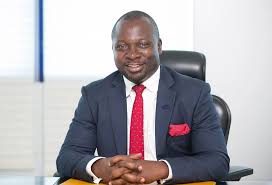
The President of the Ghana Association of Bankers, Mr. John Awuah, has made a strong appeal to the government and economic managers to simplify the way national economic policies are communicated, arguing that technical language is shutting out the average Ghanaian from critical conversations that affect their financial wellbeing.
Speaking at a financial literacy conference in Accra, Mr. Awuah challenged the status quo of overly complex economic communication. He insisted that for Ghana to truly transform economically, its people must first be able to understand the policies shaping their lives.
“It’s not enough to draft solid policies; we must communicate them in a way that is accessible to all. People should not need a degree in economics to understand how government decisions affect their savings, spending, and investments,” he said.
The conference, held under the theme “Building Wealth, Changing Lives, Strengthening Communities through Personal and Financial Education,” attracted stakeholders from the financial sector, academia, and policymaking circles. The discussions centered on equipping citizens with tools to make informed financial decisions and foster economic resilience.
Mr. Awuah referenced Ghana’s recent Domestic Debt Exchange Programme (DDEP) as a wake-up call, where even financially responsible individuals suffered due to insufficient understanding of macroeconomic risks. “People were caught off-guard. They didn’t know how national debt decisions could affect their personal finances,” he noted.
He also highlighted the role of inflation, exchange rates, and fiscal policies in everyday financial life — areas where many citizens remain in the dark due to poor communication.
Notably, Mr. Awuah spotlighted the growing potential of Artificial Intelligence (AI) in improving financial literacy, saying AI tools could be harnessed to provide personalised financial education, especially for underserved communities. Still, he warned that technology alone is not a silver bullet. “AI will only be effective if we pair it with a clear, relatable language policy framework.”
Calling for closer collaboration between banks, schools, and government bodies, Mr. Awuah concluded, “Economic empowerment starts with clarity. We need to democratise financial knowledge — not just through tools, but through the way we talk to our people about money.”
His remarks have reignited calls for more citizen-focused economic engagement, as Ghana pushes to deepen financial inclusion and build resilience among its population amid global and local economic pressures.






