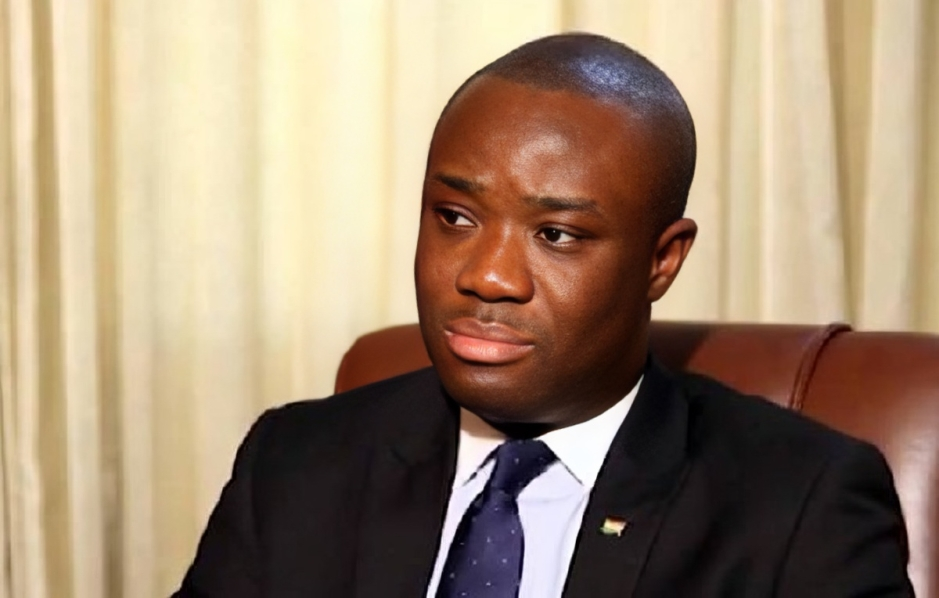
Government spokesperson Felix Kwakye Ofosu has clarified that the pace of prosecutions under the Operation Recover All Loot (ORAL) initiative is determined by the judicial process, not by government directives.
Speaking on PM Express on Joy News, Kwakye Ofosu explained that while the government is responsible for gathering evidence and building strong cases, it cannot dictate how quickly courts reach verdicts. “What government can do is to build a case, gather sufficient evidence, and then go to court to convince the court that this individual or that individual has committed this crime,” he said.
He emphasized that investigations must follow due process, ensuring that evidence presented in court can withstand scrutiny. Once cases are before judges, it is the courts that determine guilt, appropriate sanctions, and the recovery of assets.
His comments come amid criticism over what some see as slow progress in prosecuting corruption cases, with figures like former Auditor-General Daniel Domelevo voicing frustration. Kwakye Ofosu stressed that while delays can be frustrating, government interference in judicial proceedings is not possible: “As for the fact that government can dictate the pace of cases being handled by a court or a judge, that one is beyond its capacity,” he said.
Observers note that the clarification underscores the delicate balance between government-led investigations and judicial independence, highlighting that ORAL’s success depends not just on political will but also on proper legal processes.