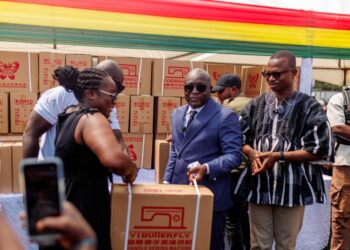
The Government of Ghana has announced the release of GHS 265,220,000.00 to support vulnerable households under the Livelihood Empowerment Against Poverty (LEAP) Programme. This disbursement, covering the 94th and 95th payment cycles, will provide financial relief to 350,000 households across all 260 metropolitan, municipal, and district assemblies in the country.
Speaking at a press conference, Hon. Agnes Naa Momo Lartey (Ph.D.), Minister for Gender, Children, and Social Protection, confirmed that the double-cycle payments would officially commence on March 24, 2025.
She reiterated the government’s commitment to poverty reduction and human capital development, urging beneficiaries to prioritize essential needs such as nutrition, education, and income-generating activities.
The LEAP Programme targets some of Ghana’s most vulnerable groups, including:
- Orphans and vulnerable children (OVC) – 45% of total beneficiaries
- Persons with severe disabilities (PWSD) – 17%
- Elderly persons (65+ years) – 27%
- Extremely poor pregnant women and infants under one year – 11%
In terms of gender distribution, 55% of individual beneficiaries are female, while 62% of the households are female-headed.
The Ministry of Gender, Children, and Social Protection (MoGCSP) has also begun a comprehensive reassessment of all LEAP beneficiaries. This review aims to determine:
✅ Which households remain eligible
✅ Who has graduated from the programme
✅ Which new applicants qualify for support
Minister Agnes Lartey acknowledged the crucial role of development partners, including the World Bank, UNICEF, the World Food Programme, and the Foreign Commonwealth and Development Office (FCDO), in sustaining the programme. She called for continued collaboration to expand LEAP’s impact and ensure that more vulnerable families receive the necessary support.
As Ghana works towards economic stability and poverty alleviation, the LEAP Programme remains a vital intervention in safeguarding the well-being of marginalized communities. The government reaffirmed its dedication to improving the quality of life for the country’s most vulnerable populations through targeted financial support.
With payments set to begin on March 24, 2025, beneficiaries can expect much-needed relief as part of the government’s broader social protection strategy.