
















The government has stepped up efforts to reduce preventable maternal deaths in the Northern Region through a community-focused healthcare intervention aimed at improving access to emergency and maternal health services.
The initiative, being implemented under the Maternal Mortality Action and Response Programme (MMARP), seeks to strengthen collaboration among health authorities, traditional leaders and communities to address challenges contributing to maternal and newborn deaths.
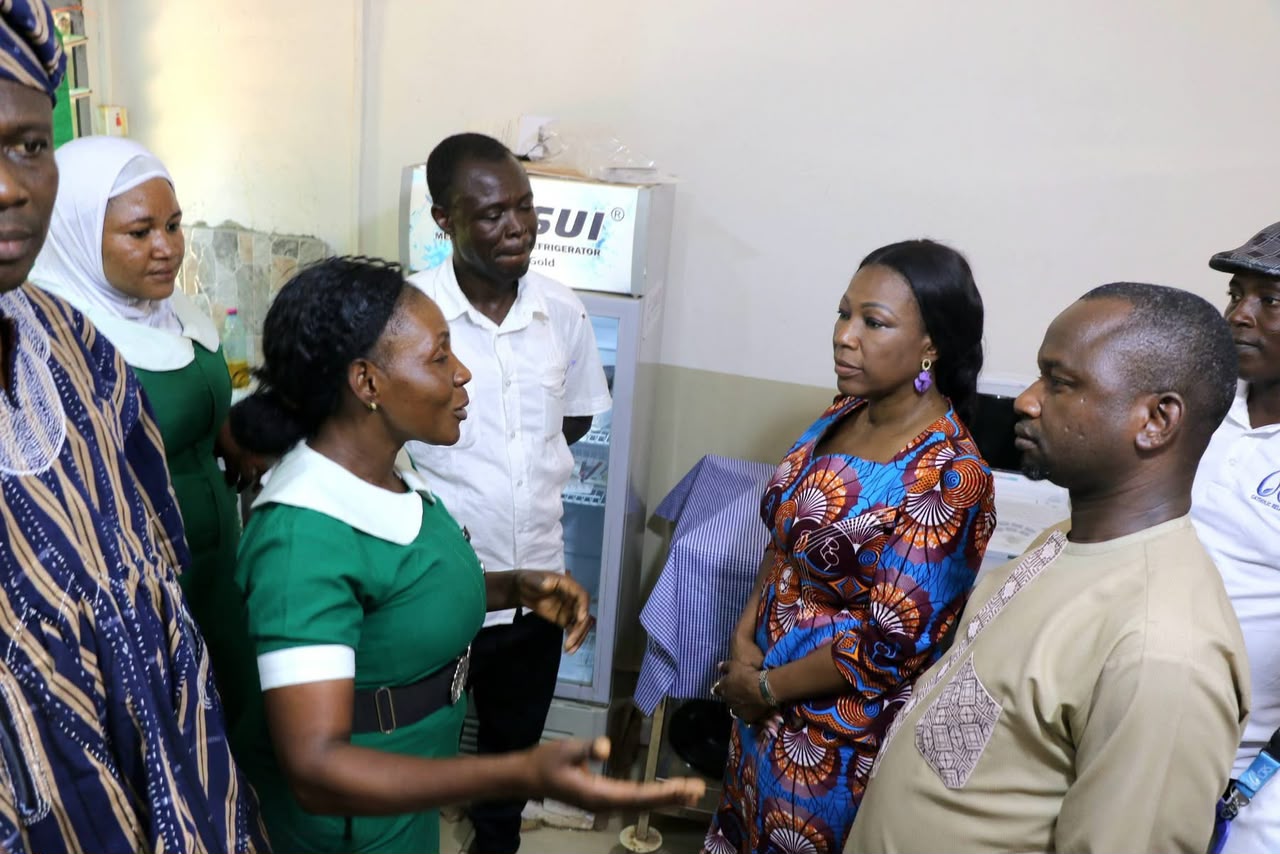
As part of efforts to assess healthcare needs on the ground, the Deputy Minister of Health, Dr Grace Ayensu-Danquah, visited communities in the Yendi Municipality, including Adibo and Gbungbaliga, where she engaged residents, traditional leaders and healthcare providers on gaps affecting maternal healthcare delivery.
During the tour, the Deputy Minister paid a courtesy call on the Paramount Chief of the Gbungbaliga Traditional Area, Naa Bapri Gbungbal-Naa Abdallah Abudu Sulemana, and inspected key health facilities, including the Adibo Health Centre, a Community-based Health Planning and Services (CHPS) compound and the Yendi Municipal Hospital.
Dr Ayensu-Danquah assured residents that government remained committed to improving healthcare access, particularly for pregnant women and newborns in underserved communities.
She announced that under the Free Primary Health Care initiative, community health workers equipped with mobile health backpacks would conduct regular household visits to provide essential maternal and child healthcare services.
The Deputy Minister also urged families to prioritise nutrition by making use of locally available foods, stressing that proper nutrition plays a critical role in improving maternal and child health outcomes.
The Paramount Chief of Gbungbaliga welcomed the engagement, describing it as an important step towards bringing healthcare decision-making closer to communities.
He appealed to government to address critical needs within the area, including the recruitment of more health workers, expansion of health facilities, provision of staff accommodation, transportation for outreach services, regular supply of medicines and reliable backup power systems.
Emergency Nursing Training Receives Boost
Beyond maternal healthcare, Dr Ayensu-Danquah also highlighted the need to strengthen Ghana’s emergency response system through specialised training of healthcare professionals.
At the Nurses and Midwives Training College (NMTC), Tamale, she welcomed the first batch of 49 students admitted into the newly introduced Bachelor of Science in Emergency Nursing Programme.
She described emergency nurses as critical players in saving lives and encouraged the students to demonstrate professionalism, discipline and commitment throughout their training.
“Your clients are waiting for you at the door of every emergency room in this country,” she told the students.
The programme, which forms part of efforts under the government’s Reset Agenda and the Ghana Medical Trust Fund (Mahama Cares), is expected to improve emergency healthcare delivery by producing specialised professionals equipped to handle critical cases.
The Principal of NMTC Tamale, Dr Abdulai Abdul-Malik, urged the students to pursue academic excellence while developing the ethical values and practical skills required in emergency nursing.
Meanwhile, the Ministry of Health has also held an orientation programme in Tamale for advisory board members of health training institutions to strengthen governance and institutional leadership.
The programme, held under the theme “Effective Governance, Role Clarity and Collaboration between Management and Advisory Boards of Health Training Institutions,” focused on improving coordination and enhancing the quality of health training across the country.
The interventions form part of broader government efforts to improve healthcare delivery, reduce maternal mortality and build a stronger health workforce capable of responding to the needs of communities nationwide.






