
















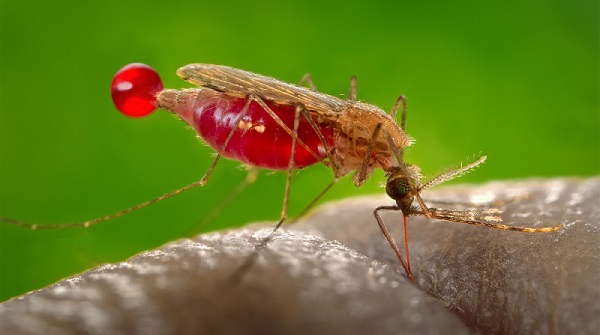
Health authorities and public health professionals in the Keta Municipality of the Volta Region have intensified calls for residents to adopt strict personal hygiene practices and consistently sleep under insecticide-treated mosquito nets as part of efforts to curb malaria transmission.
They stressed that malaria remains a major public health threat in Ghana and across Africa, with children under five years and pregnant women continuing to bear the highest burden of infection and related complications.
Speaking on the issue, a Public Health Nurse at Keta, Madam Dora Kugbonu, explained that malaria is caused by Plasmodium parasites transmitted through the bites of infected female Anopheles mosquitoes, and continues to be one of the leading causes of illness and death in the region.
She identified key drivers of transmission, including stagnant water, poor sanitation, improper waste disposal, low uptake of mosquito prevention tools, and inadequate public awareness.
Madam Kugbonu listed common symptoms such as fever with chills, severe headaches, body pains, nausea, vomiting, excessive sweating, and general weakness that can disrupt daily life.
She also warned that severe cases could lead to complications such as anaemia, cerebral malaria, organ failure, adverse pregnancy outcomes including miscarriage and low birth weight, and death, particularly among young children.
According to her, consistent use of insecticide-treated mosquito nets remains one of the most effective and affordable ways to prevent mosquito bites, especially at night when transmission is highest.
She further encouraged residents to eliminate stagnant water, use approved indoor residual spraying where available, wear protective clothing in the evenings, and seek early medical attention when symptoms appear.
Madam Kugbonu placed special emphasis on pregnant women, urging them to attend antenatal clinics regularly to receive preventive treatment, routine screening, and nutritional supplements to safeguard maternal and child health.
She cautioned against self-medication and the purchase of drugs from unregulated sources, warning that such practices can lead to drug resistance, incorrect treatment, and delayed recovery.
Health officials reaffirmed their commitment to expanding public education campaigns, improving distribution of mosquito nets, and strengthening community-level health interventions.
They also called on residents to take personal responsibility in preventing malaria, especially during the rainy season when mosquito breeding is at its peak.






