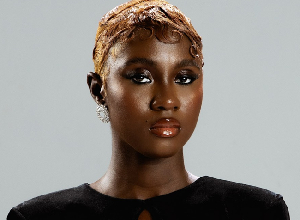
Max TV has publicly apologized to Ghanaian singer Cina Soul following a viral incident on their morning show on March 31, 2025, in which a guest, Big Akwes, made derogatory comments about her body and outfit. The remarks, which were deemed body-shaming and inappropriate, sparked outrage on social media after being broadcasted, drawing strong reactions from the public, including fellow artists and viewers.
The controversy unfolded when Big Akwes, alongside another guest, criticized Cina Soul’s attire, calling it “skimpy and revealing.” The comments were made during a segment on the *Max Morning Show*, with the female presenter, Akosua Takyiwaa, seemingly silent during the exchange, which many perceived as tacit approval of the remarks.
The incident quickly went viral on April 1, 2025, and was met with widespread condemnation from fans, celebrities, and women’s rights advocates who expressed their anger at the body-shaming attack on the singer. Celebrities like Efya, Sista Afia, and Sefa took to social media to show their support for Cina Soul, condemning the behavior of both the guests and the presenter.
In response to the public outcry, Akosua Takyiwaa, the host of *Max Morning Show*, issued an official apology on April 2, 2025, on behalf of herself, the station, and Big Akwes. She acknowledged that the comments made during the segment were not only hurtful but also inappropriate.
“On Monday, I discussed an entertainment story with my guest, Big Akwes, who made some remarks that were unpleasant to the Ghanaian public,” Takyiwaa said. “On behalf of Imax Media management, I, the entire Imax team, and Big Akwes, I sincerely apologize for how we handled the story.”
The host further apologized directly to Cina Soul, acknowledging that the conversation had gone too far and unfairly targeted the singer’s personal appearance.
“Cina Soul, we are truly sorry for crossing the line and making it personal by attacking your personality,” she added.
The apology comes after significant backlash and a call for greater sensitivity in how women, particularly public figures, are discussed in the media. This incident has reignited discussions on body-shaming and the responsibility of media platforms in upholding respect and dignity in their content.