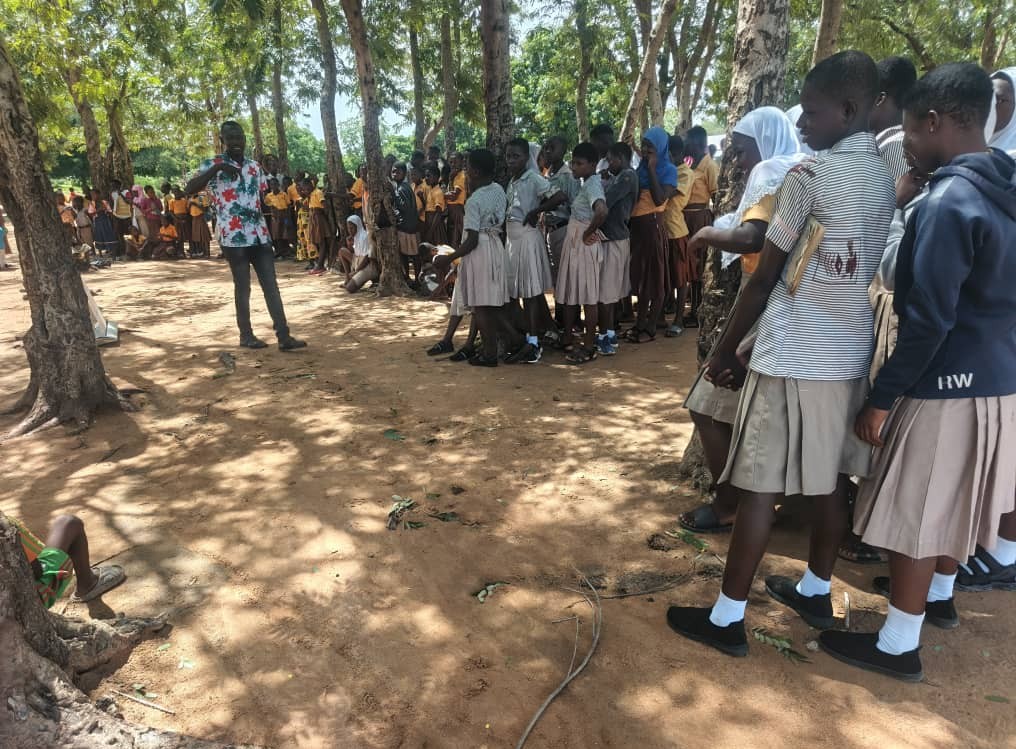
The National Commission for Civic Education (NCCE), in partnership with the Ghana Health Service (GHS), has intensified efforts to prevent drug and substance abuse among schoolchildren in the Sissala West District through a sensitisation campaign targeting four basic schools.
The initiative reached 800 pupils, comprising 412 boys and 388 girls, with the organisers seeking to equip them with the knowledge and confidence to resist peer pressure, make responsible choices and avoid behaviours that could jeopardise their health and future.
The Sissala West District Director of the NCCE, Mr Mustapha Iddrisu, said the campaign was designed to raise awareness of the dangers associated with substance abuse and encourage healthy lifestyles among young people.
The exercise was conducted at Kunkorgu, Kusali, Kandia and Buoti basic schools.
Mr Iddrisu said educating children at an early age was important in preventing them from experimenting with substances and developing habits that could negatively affect their education, health and social lives.
During the sessions, the lead facilitator, Mr Mohammed Sulley, supported by Mr Nasare Alhassan, took the pupils through commonly abused substances, including alcohol, tramadol, marijuana, energy drinks and the inappropriate use of prescription medicines.
The facilitators explained that substance abuse could have serious consequences, including addiction, poor academic performance, mental and physical health problems, indiscipline and violent behaviour.
The pupils were encouraged to be cautious about peer influence and avoid experimenting with drugs, while seeking guidance from parents, teachers and health professionals whenever they faced difficulties.
They were also urged to report suspected drug-related activities to trusted and responsible adults and take an active role in promoting drug-free schools and communities.
The NCCE reaffirmed its commitment to working with the GHS, schools, parents and community leaders to sustain education on drug and substance abuse across the district.
The Commission said continued public education and community involvement were necessary to create a safe, healthy and drug-free environment in which children could learn and develop.