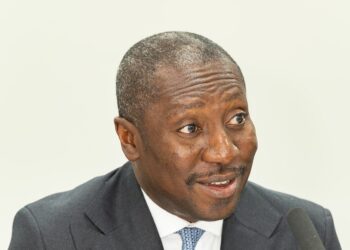
Ghana’s anti-corruption watchdog, the Office of the Special Prosecutor (OSP), has broadened its investigations into two high-profile corruption-related cases—one involving the Chief Executive Officer of the Driver and Vehicle Licensing Authority (DVLA), Julius Neequaye Kotey, and another concerning a member of the Council of State linked to alleged gold trading improprieties.
The OSP’s recent move signals what observers describe as a renewed effort to assert its independence and tackle corruption in both political and administrative circles.
In the first case, the OSP has invited DVLA CEO Julius Neequaye Kotey for questioning after his recent disclosure that he turned down a GH¢4 million bribe allegedly offered to stop the implementation of the Digitalised Vehicle Registration Plate (DP) policy. The new system, which is designed to curb vehicle-related fraud and strengthen road safety, has reportedly faced resistance from individuals with vested interests.
Mr. Kotey’s public revelation—hailed by many as an act of integrity—has drawn the attention of the Special Prosecutor, who now seeks to verify the claim and identify the alleged bribery masterminds.
“The OSP is duty-bound to establish the veracity of the allegations and bring to justice any persons found culpable,” an insider familiar with the case hinted.
In a parallel investigation, the OSP is also scrutinising a sitting member of the Council of State over suspected corruption and conflict of interest in a gold licensing deal. Early information suggests the official may have used his position to influence the granting of a mining licence to a company in which he holds undisclosed interests.
These twin investigations—one rooted in public sector reform and the other in natural resource governance—underscore the Special Prosecutor’s expanding focus on systemic corruption and abuse of office at high levels of government.
Anti-corruption advocates have welcomed the OSP’s actions, saying they mark a step toward restoring public confidence in state institutions and ensuring accountability across all levels of leadership.
If substantiated, the two cases could become significant tests of the OSP’s resolve and the country’s broader commitment to the rule of law.