
















More than 8,000 Ghanaian migrants stranded abroad have returned home through a government-supported voluntary return programme implemented in partnership with the International Organisation for Migration (IOM) since 2017.
The initiative, according to an IOM report, has largely benefited migrants who embarked on irregular journeys through dangerous routes, particularly across the Sahara Desert towards Libya in search of economic opportunities.
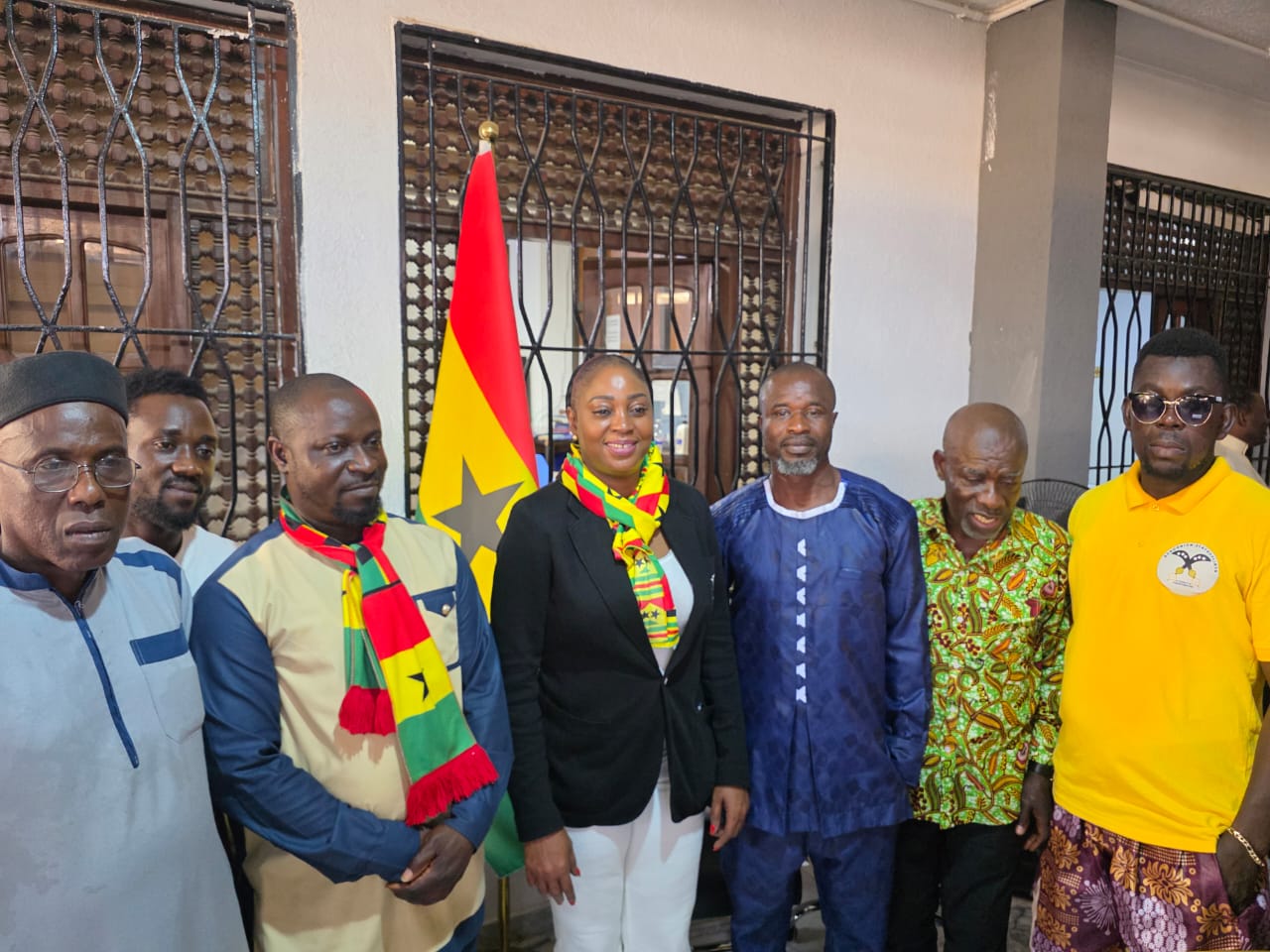
Member of Parliament for Kintampo South and a member of Parliament’s Select Committee on Foreign Affairs, Madam Felicia Adjei, disclosed this in an interview with the Ghana News Agency (GNA), saying the intervention had helped many stranded Ghanaians return safely and begin the process of rebuilding their lives.
She said in 2024 alone, the IOM supported the safe return of 1,597 Ghanaian migrants from Libya, highlighting the scale of challenges faced by citizens who undertake irregular migration.
Madam Adjei made the disclosure after an official visit to Libya, where she engaged key Libyan authorities, including the President of Libya and the President of the High State Council, on issues affecting Ghanaian migrants.
She said the discussions focused on improving the protection, welfare and legal status of Ghanaians living and working in Libya, including migrants from the Bono East Region.
During her engagement with the Ghanaian community in Libya, the MP said many migrants shared experiences involving unemployment, lack of documentation, poor working conditions, exploitation, limited access to healthcare and challenges with arrests and detention.
She explained that Libya remained a major destination and transit point for Ghanaian migrants, with some travelling there in search of jobs while others used the country as a gateway to Europe through the Mediterranean route.
Madam Adjei warned that irregular migration exposed young people to serious dangers, including exploitation by human smugglers, trafficking, abuse and life-threatening conditions during journeys across the desert.
She said strengthening Ghana-Libya cooperation was essential to creating safer migration pathways, protecting Ghanaian workers and reducing the risks associated with illegal migration.
As part of efforts to tackle the factors driving young people to undertake dangerous journeys, the MP announced plans to establish an Employable Skills Training Resource Centre in Kintampo.
She said the facility would equip young people with vocational and employable skills, support the reintegration of returning migrants and provide education on safe migration practices.
According to her, the centre would work with government agencies, development partners, private sector organisations and relevant international partners to create opportunities for skills development and employment.
Madam Adjei stressed that Ghana needed to promote regular migration channels that allowed citizens to seek opportunities abroad under legally protected arrangements.
She noted that improved bilateral cooperation with Libya could help create decent work opportunities, reduce exploitation of Ghanaian migrants and ensure that migration became a tool for development rather than a source of vulnerability.
She urged young people to seek accurate information on migration options and avoid relying on smugglers who often expose migrants to severe risks in pursuit of overseas opportunities.






